| Get Ready! | Listen to the Japanese repeatedly and practice until you can say it smoothly. |
| ① | Repeat each question and answer three times. |
| ② | Your teacher will ask you the questions. Give your own answers. |
| ③ | Ask your teacher the questions and listen to their answers. |
| Pay special attention to the keywords. |
| 081 | 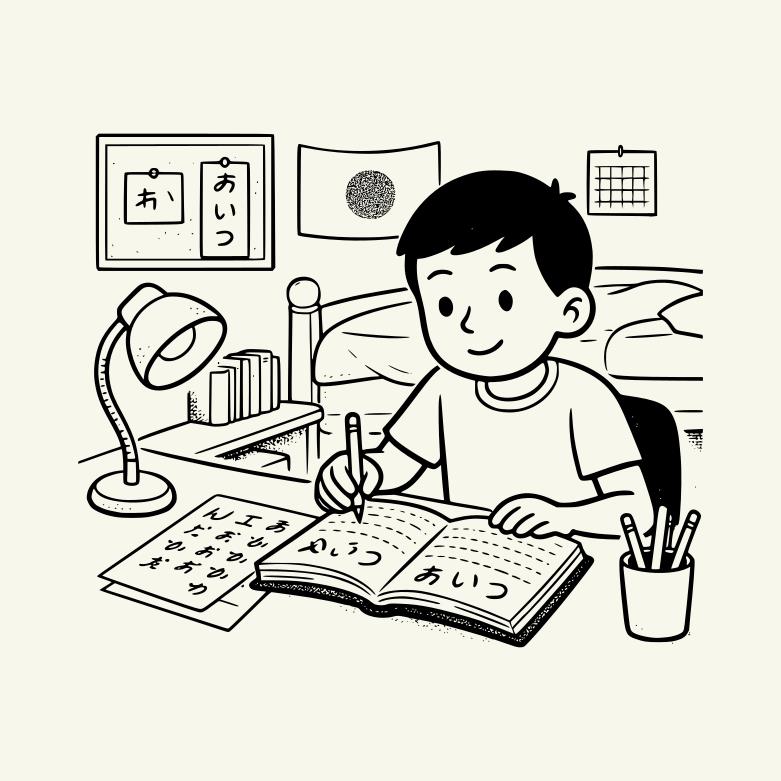 |
| ~ました | |
| ~ma·shi·ta | |
| Question 🔊 | Model answer 🔊 |
|
表示 ▶
漢: 昨日、日本語を勉強しましたか? 漢: はい。昨日、日本語を勉強しました。 |
|
| 082 | 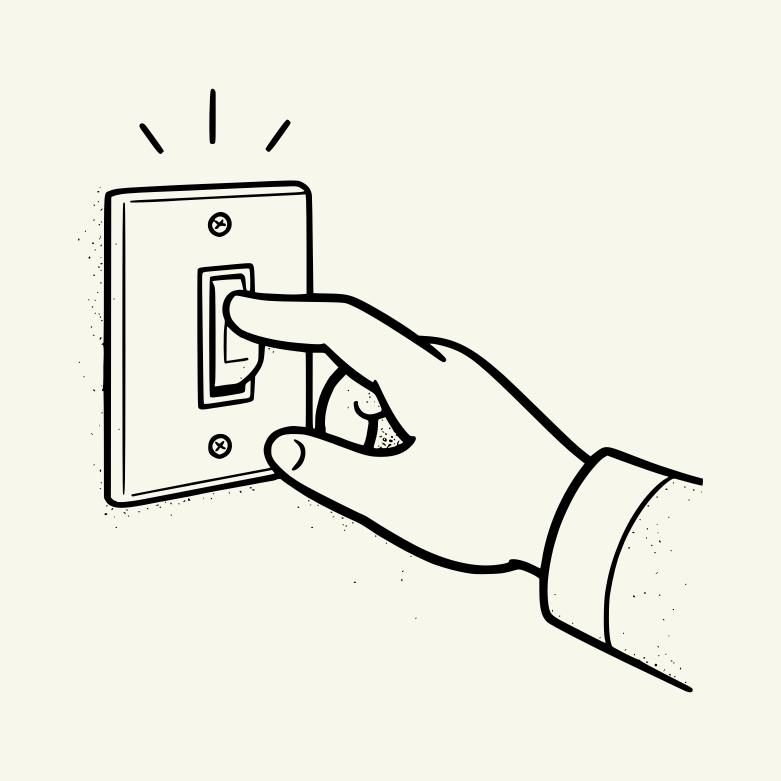 |
| ~て くれます | |
| ~te ku·re·ma·su | |
| Question 🔊 | Model answer 🔊 |
|
表示 ▶
漢: 電気をつけてくれますか? 漢: いいですよ。 |
|
| 083 | 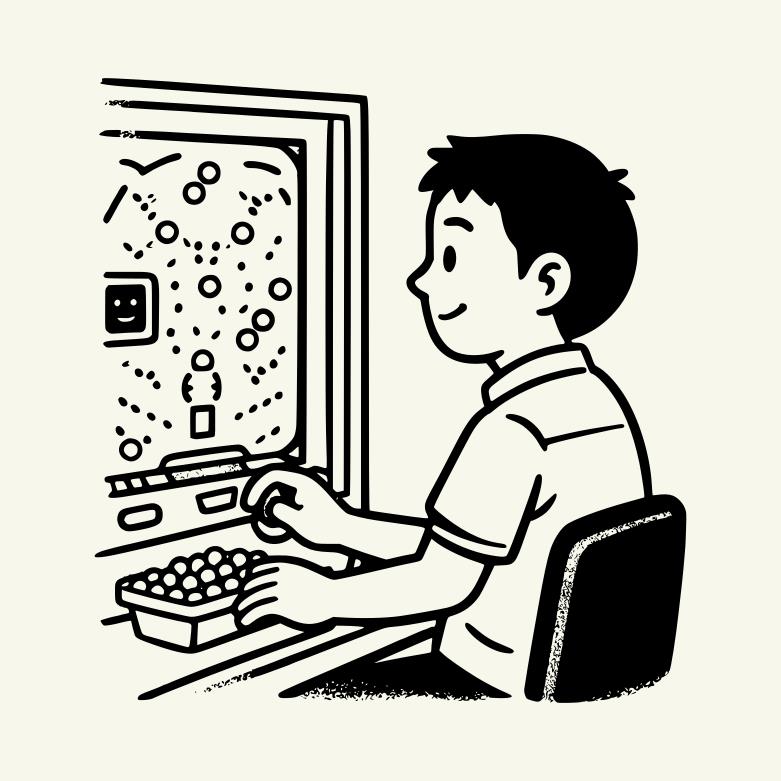 |
| ~ました | |
| ~ma·shi·ta | |
| Question 🔊 | Model answer 🔊 |
|
表示 ▶
漢: 先週、パチンコをしましたか? 漢: いいえ。先週、パチンコをしませんでした。 |
|
| 084 | 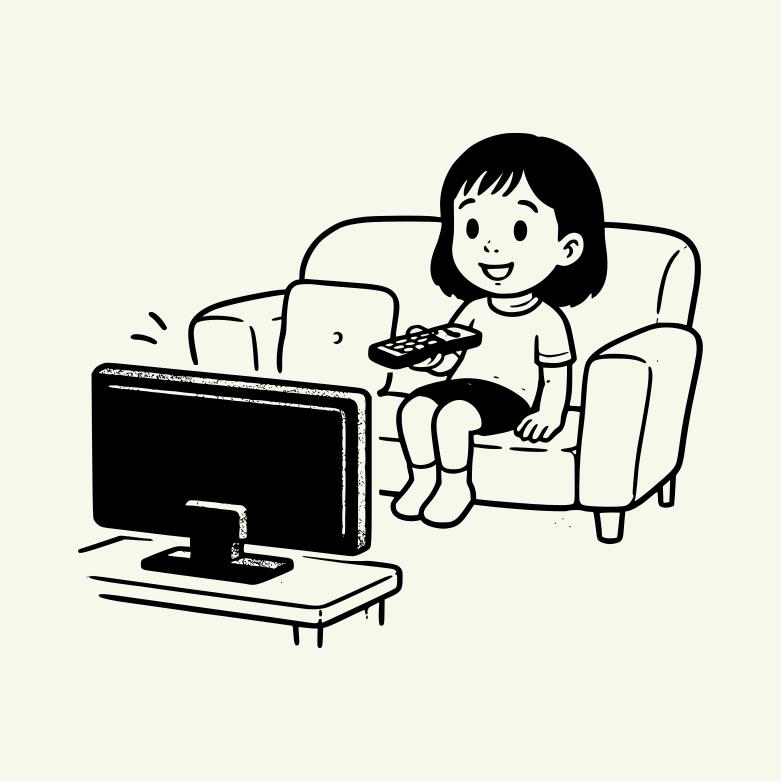 |
| ~ます | |
| ~ma·su | |
| Question 🔊 | Model answer 🔊 |
|
表示 ▶
漢: 今夜、テレビを見ますか? 漢: はい。今夜、テレビを見ます。 |
|
| 085 | 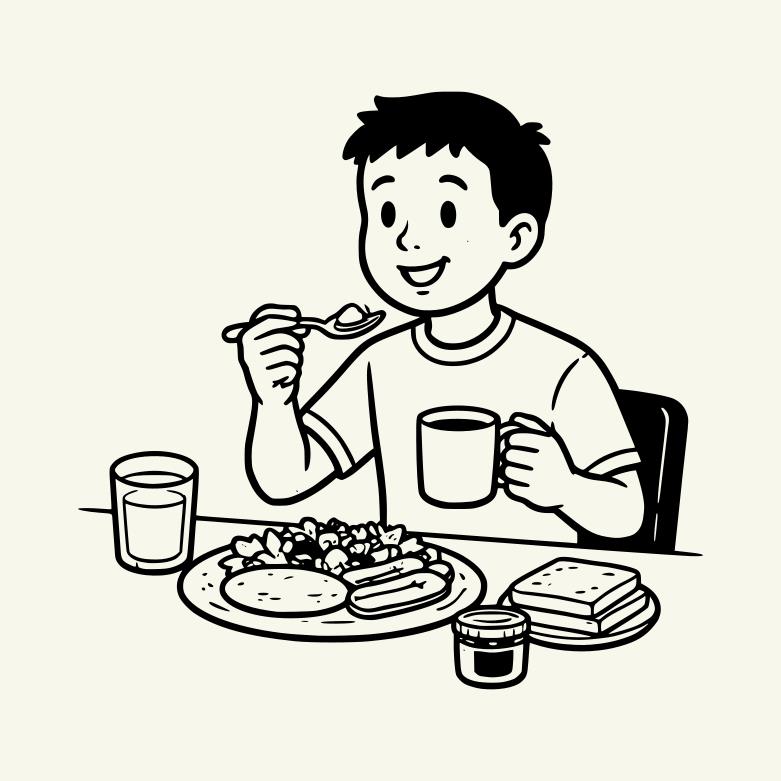 |
| なに | |
| na·ni | |
| Question 🔊 | Model answer 🔊 |
|
表示 ▶
漢: 朝ご飯に何を食べましたか? 漢: トースト1枚とメロンを食べました。 |
|
| 086 | 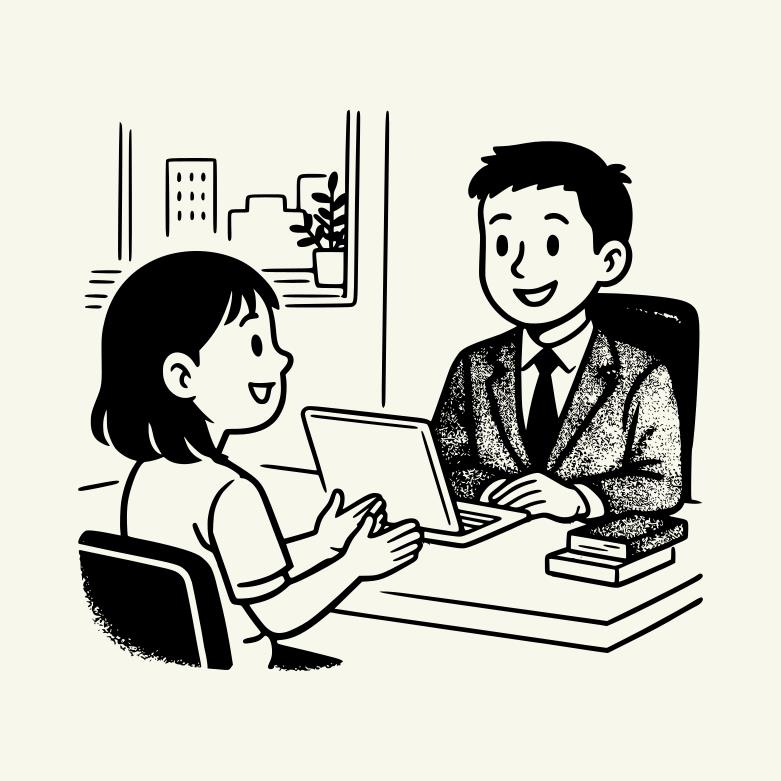 |
| すき | |
| su·ki | |
| Question 🔊 | Model answer 🔊 |
|
表示 ▶
漢: あなたのボスが好きですか? 漢: はい。とても優しいです。 |
|
| 087 | 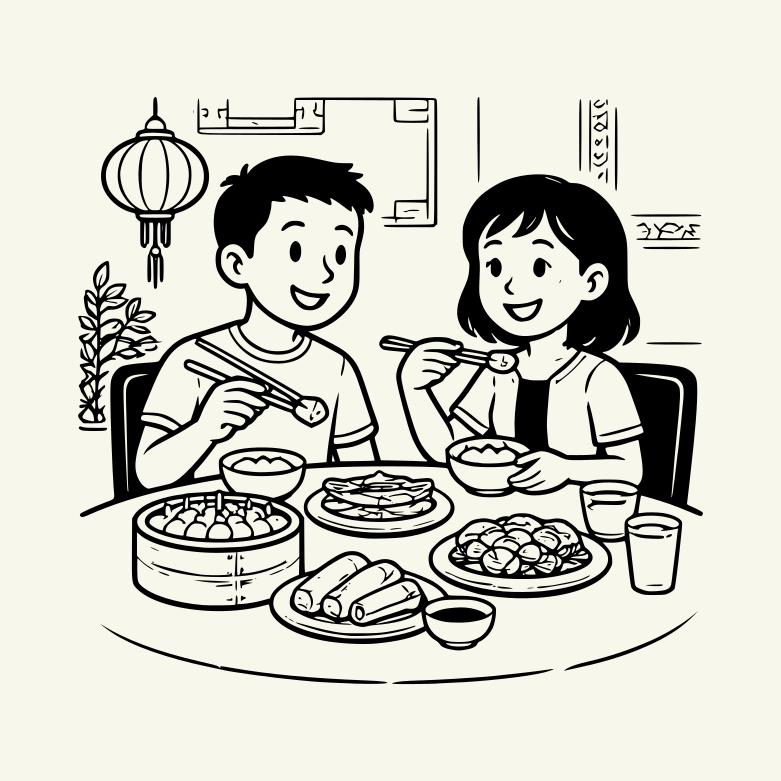 |
| すき | |
| su·ki | |
| Question 🔊 | Model answer 🔊 |
|
表示 ▶
漢: 中華料理が好きですか? 漢: はい。中華料理がとても好きです。 |
|
| 088 | 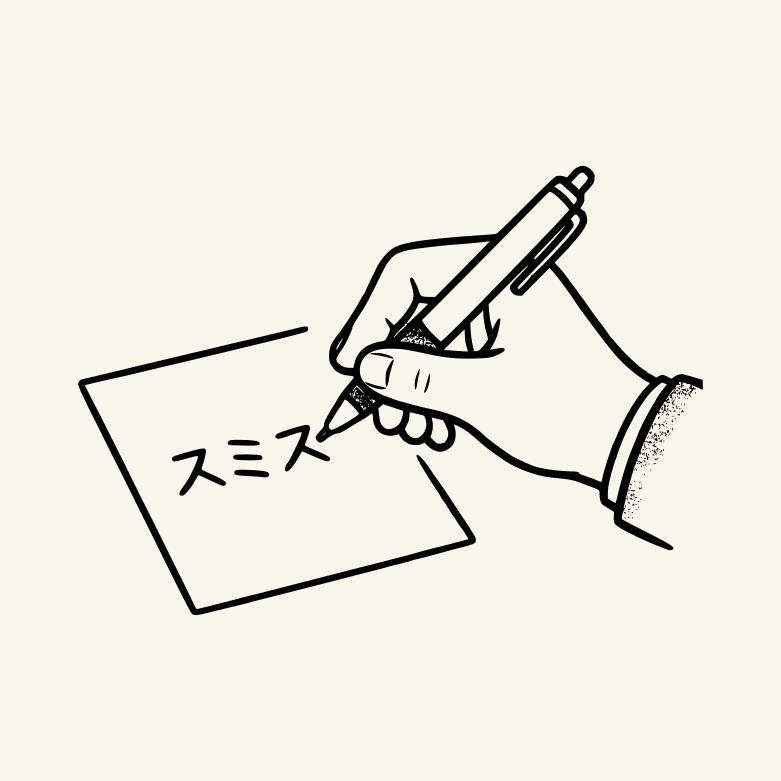 |
| できます | |
| de·ki·ma·su | |
| Question 🔊 | Model answer 🔊 |
|
表示 ▶
漢: 日本語でお名前を書くことができますか? 漢: はい。できます。 |
|
| 089 | 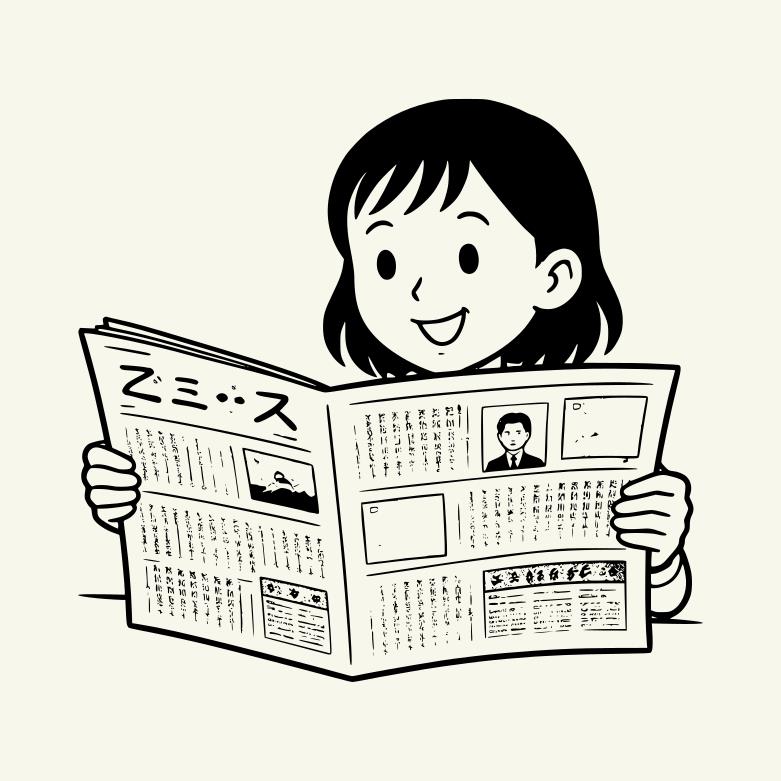 |
| よめます | |
| yo·me·ma·su | |
| Question 🔊 | Model answer 🔊 |
|
表示 ▶
漢: 日本語の新聞が読めますか? 漢: いいえ、読めませんけど、お父さんは読めます。 |
|
| 090 |  |
| なん | |
| na·n | |
| Question 🔊 | Model answer 🔊 |
|
表示 ▶
漢: 1年の中で2番目の月は何ですか? 漢: 2月です。 |
|
| Activity | Guess the question – part 1 |
| ① | Your teacher will say their own answers. Try to guess the questions. |
| ② | How many can you guess correctly in 30 seconds? |
| 081 | |
| ~ました | |
| ~ma·shi·ta |
| 082 | |
| ~て くれます | |
| ~te ku·re·ma·su |
| 083 | |
| ~ました | |
| ~ma·shi·ta |
| 084 | |
| ~ます | |
| ~ma·su |
| 085 | |
| なに | |
| na·ni |
| 086 | |
| すき | |
| su·ki |
| 087 | |
| すき | |
| su·ki |
| 088 | |
| できます | |
| de·ki·ma·su |
| 089 | |
| よめます | |
| yo·me·ma·su |
| 090 | |
| なん | |
| na·n |
|
Timer
30
|
|
Counter
0
|
| Activity | Guess the question – part 2 |
| ① | Now say your own answers. Your teacher will try to guess the questions. |
| ② | How many can you guess correctly in 30 seconds? |
| Listen In | Listen to the dialogue and answer the following questions. |
| ① | Did this person study Japanese yesterday? |
| ② | What did this person eat for breakfast this morning? |
| ③ | Will this person do their homework tonight? |
| Fill In ① | Use rōmaji to fill in the missing words in the questions and your own answers. |
| Q081 | ki·nō、[ ] wo [ ] shi·ma·shi·ta ka? |
| A081 | [ ]。[ ]、ni·ho·n·go wo be·n·kyō [ ]。 |
| Q082 | de·n·ki [ ] tsu·ke·te ku·re·ma·su [ ]? |
| A082 | [ ]。 |
| Q083 | se·n·shū、[ ] wo shi·ma·shi·ta [ ]? |
| A083 | [ ]。[ ]、pa·chi·n·ko wo [ ]。 |
| Q084 | [ ]、te·re·bi [ ] mi·ma·su ka? |
| A084 | [ ]。ko·n·ya、[ ] wo [ ]。 |
| Q085 | a·sa·go·ha·n [ ] [ ] wo [ ] ka? |
| A085 | [ ] wo ta·be·ma·shi·ta。/ [ ] wo ta·be·ma·se·n·de·shi·ta。 |
| Q086 | a·na·ta [ ] bo·su [ ] su·ki [ ] ka? |
| A086 | [ ]。[ ]。 |
| Q087 | [ ] [ ] ga su·ki de·su [ ]? |
| A087 | [ ]。chū·ka ryō·ri ga [ ]。 |
| Q088 | ni·ho·n·go [ ] o-na·ma·e [ ] ka·ku [ ] ga de·ki·ma·su ka? |
| A088 | [ ]。[ ]。 |
| Q089 | [ ] no shi·n·bu·n [ ] yo·me·ma·su ka? |
| A089 | [ ]。[ ]。 |
| Q090 | i·chi·ne·n [ ] na·ka de ni·ba·n·me [ ] tsu·ki [ ] na·n [ ] ka? |
| A090 | [ ] de·su。 |
| Fill In ② | Now do the same using hiragana. |
| Q081 | きのう、[ ] を [ ] しました か? |
| A081 | [ ]。[ ]、にほんご を べんきょう [ ]。 |
| Q082 | でんき [ ] つけて くれます [ ]? |
| A082 | [ ]。 |
| Q083 | せんしゅう、[ ] を しました [ ]? |
| A083 | [ ]。[ ]、ぱちんこ を [ ]。 |
| Q084 | [ ]、てれび [ ] みます か? |
| A084 | [ ]。こんや、[ ] を [ ]。 |
| Q085 | あさごはん [ ] [ ] を [ ] か? |
| A085 | [ ] を たべました。/ [ ] を たべませんでした。 |
| Q086 | あなた [ ] ぼす [ ] すき [ ] か? |
| A086 | [ ]。[ ]。 |
| Q087 | [ ] [ ] が すき です [ ]? |
| A087 | [ ]。ちゅうか りょうり が [ ]。 |
| Q088 | にほんご [ ] お-なまえ [ ] かく [ ] が できます か? |
| A088 | [ ]。[ ]。 |
| Q089 | [ ] の しんぶん [ ] よめます か? |
| A089 | [ ]。[ ]。 |
| Q090 | いちねん [ ] なか で にばんめ [ ] つき [ ] なん [ ] か? |
| A090 | [ ] です。 |
| Zoom In | Substitute the words and talk about these topics. |
| Topic 1 | したこと・したこと・shi·ta·ko·to = What you did |
| 081 | |
| ~ました | |
| ~ma·shi·ta | |
| Question 🔊 | Model answer 🔊 |
| Question pattern |
| きのう、にほんご を べんきょう しました か? |
| ki·nō、ni·ho·n·go wo be·n·kyō shima·shi·ta ka? |
| Answer pattern 1 |
| はい。きのう、にほんご を べんきょう しました。 |
| ha·i。ki·nō、ni·ho·n·go wo be·n·kyō shima·shi·ta。 |
| Answer pattern 2 |
| いいえ。きのう、にほんご を べんきょう しませんでした。 |
| i·i·e。ki·nō、ni·ho·n·go wo be·n·kyō shima·se·n·de·shi·ta。 |
| Variant |
| したかった です けど、じかん が ありませんでした。 |
| shi·ta·ka·tta de·su ke·do、ji·ka·n ga a·ri·ma·se·n·de·shi·ta。 |
| Vocabulary | ||
| 1 | にほんご を べんきょう し・ni·ho·n·go wo be·n·kyō shi = study Japanese | 挿入 |
| 2 | へや を そうじ し・he·ya wo sō·ji shi = clean/tidy your room | 挿入 |
| 3 | じむ に いき・ji·mu ni i·ki = go to the gym | 挿入 |
| 4 | さんぽ に いき・sa·n·po ni i·ki = go for a walk | 挿入 |
| 5 | にゅーす を よみ・nyuーsu wo yo·mi = read the news | 挿入 |
| 6 | ゆうはん を つくり・yū·ha·n wo tsu·ku·ri = make dinner | 挿入 |
| 7 | お-となり-さん と はなし・o-to·na·ri-sa·n to ha·na·shi = speak to your neighbour | 挿入 |
| 8 | ぴあの を ひき・pi·a·no wo hi·ki = play the piano | 挿入 |
| 9 | あたらしい こと を まなび・a·ta·ra·shi·i ko·to wo ma·na·bi = learn something new | 挿入 |
| 10 | いい いちにち を すごし・i·i i·chi·ni·chi wo su·go·shi = have a good day | 挿入 |
|
Timer
|
30
|
|
|
Counter
|
0
|
| Notes | The ~ました・~ma·shi·ta and ~ませんでした・~ma·se·n·de·shi·ta forms of Japanese verbs are used to talk about past events. They describe completed actions (or actions that were not completed) in the past.
去年、日本へ行きました。・ 母が誕生日にケーキを作りました。・ 試験に合格しませんでした。・ 電車に間に合いませんでした。・ The English translations of the above examples all use the past simple tense (= did/didn’t). The ~ました・~ma·shi·ta form of a verb can also be used with もう・mō (= already) to talk about recent or relevant completed actions. In English, we would usually use the present perfect (= have done) in such situations. もう昼ご飯を食べましたか?・ ジョーンズさんはもう帰りました。・ When we use these forms, we imply that the situation has (or might have) recently changed. Another use of the present perfect in English is to talk about life experiences. Japanese uses a different construction here. アメリカに行ったことがありますか?・ 乗馬をしたことがありません。・ Here, we use the the simple past form (~た・~ta) of our verb followed by こと が あります・ko·to ga a·ri·ma·su. |
| Topic 2 | 予定・よてい・yo·te·i = Plans |
| 084 | |
| ~ます | |
| ~ma·su | |
| Question 🔊 | Model answer 🔊 |
| Question pattern |
| こんや、てれび を みます か? |
| ko·n·ya、te·re·bi wo mima·su ka? |
| Answer pattern 1 |
| はい。こんや、てれび を みます。 |
| ha·i。ko·n·ya、te·re·bi wo mima·su。 |
| Answer pattern 2 |
| いいえ。こんや、てれび を みません。 |
| i·i·e。ko·n·ya、te·re·bi wo mima·se·n。 |
| Variant |
| 「てれび を みます」って なん です か? |
| 「te·re·bi wo mima·su」tte na·n de·su ka? |
| Vocabulary | ||
| 1 | てれび を み・te·re·bi wo mi = watch TV | 挿入 |
| 2 | おんがく を きき・o·n·ga·ku wo ki·ki = listen to music | 挿入 |
| 3 | でかけ・de·ka·ke = go out | 挿入 |
| 4 | はやく ね・ha·ya·ku ne = go to bed early | 挿入 |
| 5 | あした の ひるごはん を じゅんび し・a·shi·ta no hi·ru·go·ha·n wo ju·n·bi shi = prepare tomorrow’s lunch | 挿入 |
| 6 | てんきよほう を かくにん し・te·n·ki·yo·hō wo ka·ku·ni·n shi = check the weather forecast | 挿入 |
| 7 | お-ふろ に はいり・o-fu·ro ni ha·i·ri = have a bath | 挿入 |
| 8 | は を みがき・ha wo mi·ga·ki = brush your teeth | 挿入 |
| 9 | めざまし を かけ・me·za·ma·shi wo ka·ke = set an alarm | 挿入 |
| 10 | よく ねむり・yo·ku ne·mu·ri = sleep well | 挿入 |
|
Timer
|
30
|
|
|
Counter
|
0
|
| Notes | There is no future tense (= will/be going to) in Japanese. We simply use the ~ます・~ma·su or dictionary/plain form of a verb to talk about future actions. Adding a time expression showing when the action will take place makes it clear that we are talking about a future (rather than present) action.
明日、東京へ行きます。・ バスは8時半に着きます。・ これから気を付けます。・ We can also use other constructions to describe future events. For example, to talk about our plans, we can use ~予定です・~よてい です・~yo·te·i de·su after the plain form of our verb. 来月、日本へ行く予定です。・ Intentions can be expressed using a similar construction: ~つもり です・~tsu·mo·ri de·su. これから毎日勉強するつもりです。・ As we saw earlier in this course, we can also use ~でしょう・~de·shō to make predictions about the future. 明日は雨が降るでしょう。・ There are others besides. In all of them, though, using (or implying) a time expression is the key to indicating that we are talking about the future in Japanese. |
| Talk More Technique | ⑨ Give nice comments |
| それ は いい です ね! |  |
| so·re wa i·i de·su ne! | |
| 🔊 | |
| That’s nice! |
| なるほど! |  |
| na·ru·ho·do! | |
| 🔊 | |
| Indeed! |
| Sample Dialog | |||
| A: | あした、ゆうめいな はいゆう が おれ の がっこう で すぴいち を します。 | A: | a·shi·ta、yū·me·i·na ha·i·yū ga o·re no ga·kkō de su·pi·i·chi wo shi·ma·su。 |
| B: | それ は いい です ね!どうして です か? | B: | so·re wa i·i de·su ne!dō·shi·te de·su ka? |
| A: | むかし、その はいゆう は おれ の がっこう の がくせい でした。 | A: | mu·ka·shi、so·no ha·i·yū wa o·re no ga·kkō no ga·ku·se·i de·shi·ta。 |
| B: | なるほど!そつぎょうせい です ね。 | B: | na·ru·ho·do!so·tsu·gyō·se·i de·su ne。 |
| Talk Longer | Use the questions in this unit, the patterns in the Zoom In section, and the Talk More Technique to have a longer conversation with your teacher. |
| ~ました | |
| ~ma·shi·ta |
| ~て くれます | |
| ~te ku·re·ma·su |
| ~ました | |
| ~ma·shi·ta |
| ~ます | |
| ~ma·su |
| なに | |
| na·ni |
| すき | |
| su·ki |
| すき | |
| su·ki |
| できます | |
| de·ki·ma·su |
| よめます | |
| yo·me·ma·su |
| なん | |
| na·n |
| それ は いい です ね! | |
| so·re wa i·i de·su ne! |
| なるほど! | |
| na·ru·ho·do! |
|
Timer
|
2:00
|
|
|
|
| Write Up | Use the questions and answer patterns in this unit to write about your teacher. |
| ① | Make notes of your teacher’s answers to the questions in this unit. |
| ② | Then, try to write the full sentences using hiragana. |
| Subject | he ~ : | 彼は~・かれ は~・ka·re wa ~ | ||
| she ~ : | 彼女は~・かのじょ は~・ka·no·jo wa ~ | |||
| Possessive adjective | his ~ : | 彼の~・かれ の~・ka·re no ~ | ||
| her ~ : | 彼女の~・かのじょ の~・ka·no·jo no ~ |
| Q081 | |
| Notes: | ki·nō、[ ] ni·ho·n·go wo be·n·kyō [ ]。 |
| In hiragana: | |
| Q083 | |
| Notes: | se·n·shū、[ ] pa·chi·n·ko wo shi·ma·shi·ta。 |
| In hiragana: | |
| Q084 | |
| Notes: | ko·n·ya、[ ] te·re·bi wo mi·ma·su。 |
| In hiragana: | |
| Q085 | |
| Notes: | [ ] a·sa·go·ha·n ni [ ] wo ta·be·ma·shi·ta。/ [ ] a·sa·go·ha·n wo ta·be·ma·se·n·de·shi·ta。 |
| In hiragana: | |
| Q086 | |
| Notes: | [ ] [ ] bo·su ga su·ki [ ]。 |
| In hiragana: | |
| Q087 | |
| Notes: | [ ] chū·ka ryō·ri ga su·ki [ ]。 |
| In hiragana: | |
| Q088 | |
| Notes: | [ ] ni·ho·n·go de na·ma·e wo ka·ku ko·to ga [ ]。 |
| In hiragana: | |
| Q089 | |
| Notes: | [ ] ni·ho·n·go no shi·n·bu·n ga [ ]。 |
| In hiragana: |