| Get Ready! | Listen to the Japanese repeatedly and practice until you can say it smoothly. |
| ① | Repeat each question and answer three times. |
| ② | Your teacher will ask you the questions. Give your own answers. |
| ③ | Ask your teacher the questions and listen to their answers. |
| Pay special attention to the keywords. |
| 051 |  |
| それとも | |
| so·re·to·mo | |
| Question 🔊 | Model answer 🔊 |
|
表示 ▶
漢: あなたはアメリカ人ですか、それともイギリス人ですか? 漢: 俺はイギリス人です。 |
|
| 052 | 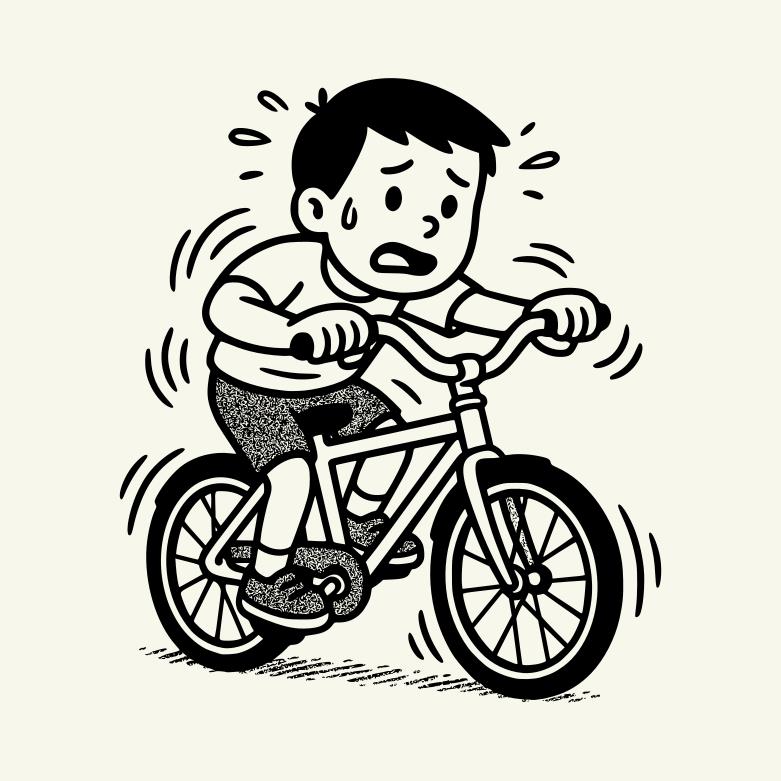 |
| できます | |
| de·ki·ma·su | |
| Question 🔊 | Model answer 🔊 |
|
表示 ▶
漢: 自転車に乗ることができますか? 漢: はい。自転車に乗ることができます。 |
|
| 053 | 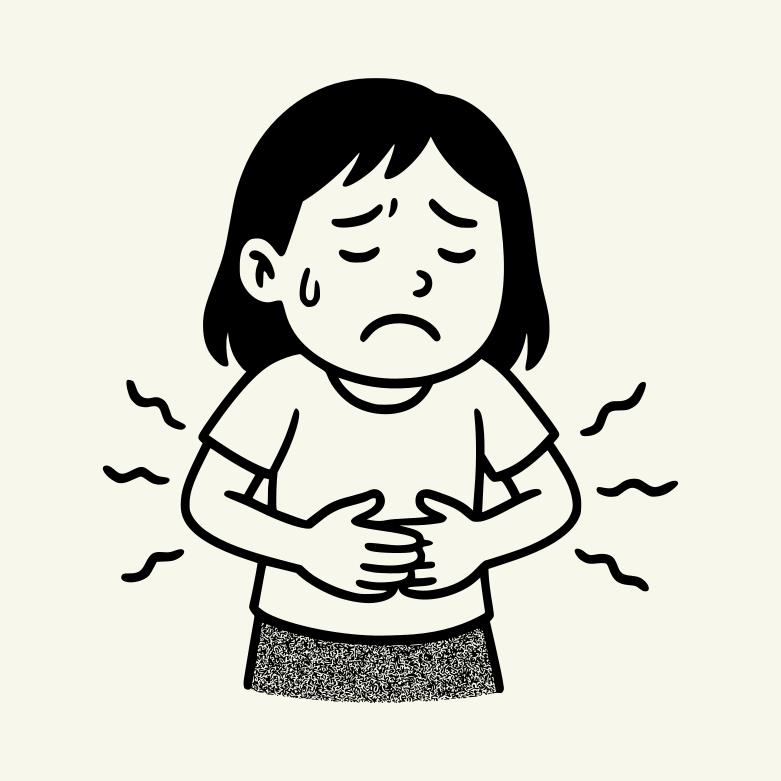 |
| どう | |
| dō | |
| Question 🔊 | Model answer 🔊 |
|
表示 ▶
漢: どうしましたか? 漢: お腹が痛いです。 |
|
| 054 | 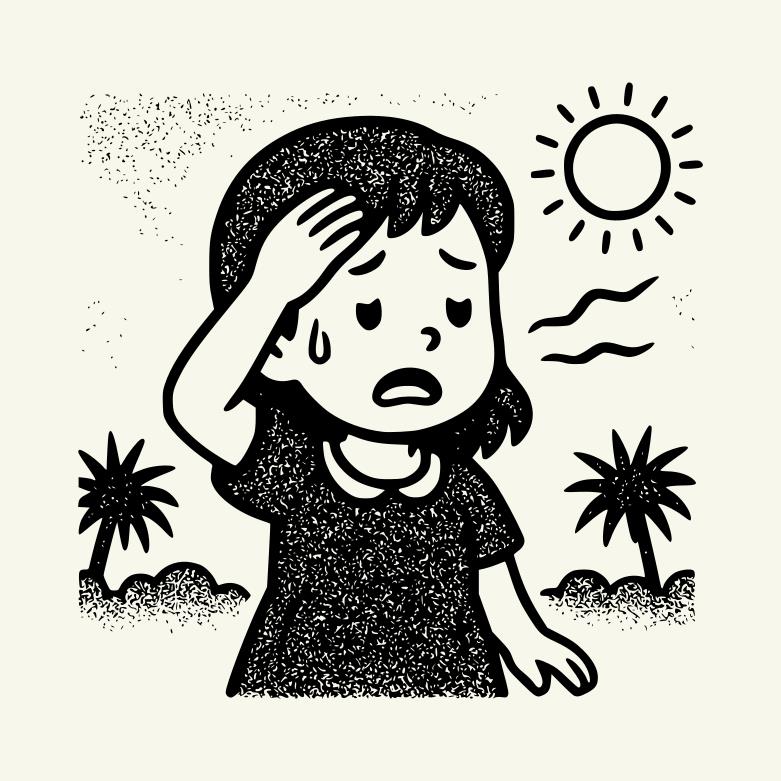 |
| あなた | |
| a·na·ta | |
| Question 🔊 | Model answer 🔊 |
|
表示 ▶
漢: あなたは暑いですか? 漢: はい。俺は暑いです。 |
|
| 055 | 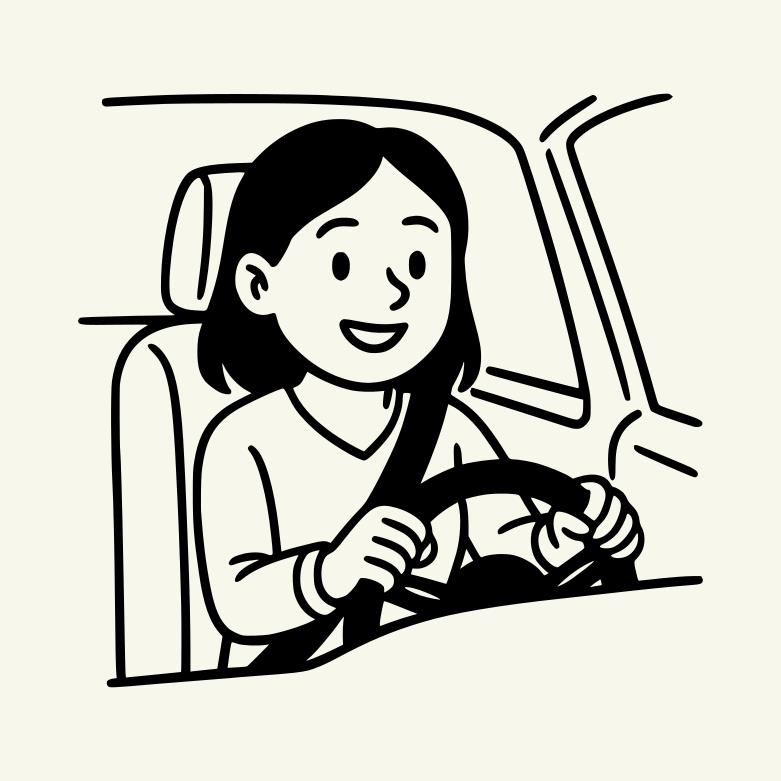 |
| します | |
| shi·ma·su | |
| Question 🔊 | Model answer 🔊 |
|
表示 ▶
漢: あなたのお母さんは自動車を運転しますか? 漢: はい。自動車を運転します。 |
|
| 056 | 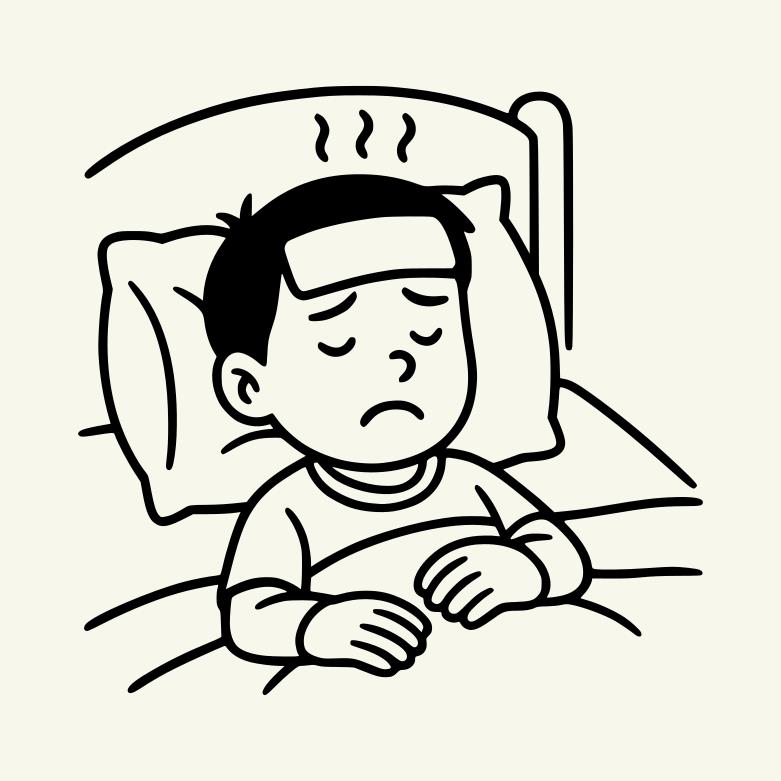 |
| あります | |
| a·ri·ma·su | |
| Question 🔊 | Model answer 🔊 |
|
表示 ▶
漢: あなたは熱がありますか? 漢: いいえ。俺は熱がありません。 |
|
| 057 | 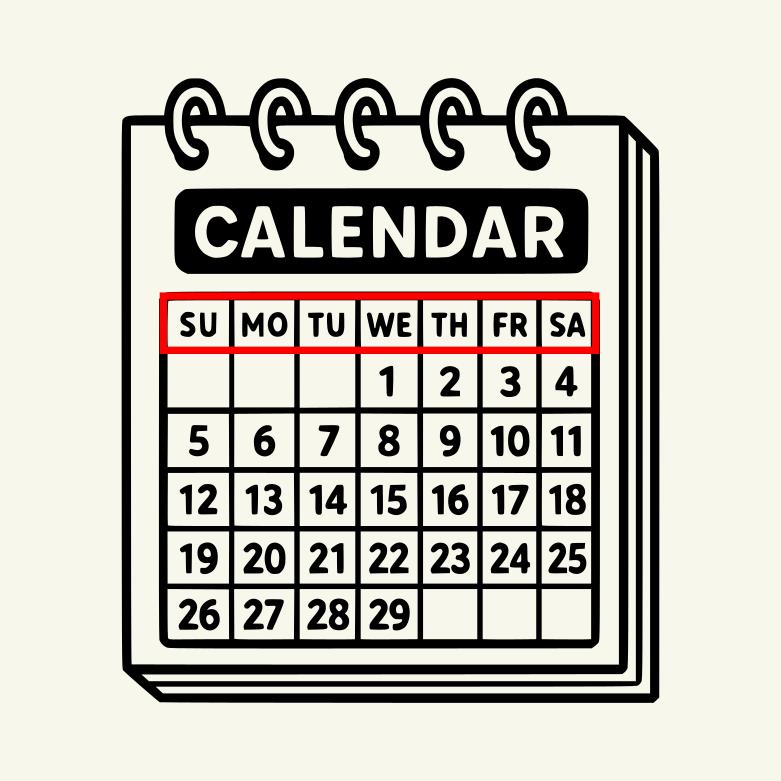 |
| なん | |
| na·n | |
| Question 🔊 | Model answer 🔊 |
|
表示 ▶
漢: 今日は何曜日ですか? 漢: 水曜日です。 |
|
| 058 |  |
| なんじ | |
| na·n·ji | |
| Question 🔊 | Model answer 🔊 |
|
表示 ▶
漢: 日曜日に何時に起きますか? 漢: 日曜日に9時に起きます。 |
|
| 059 | 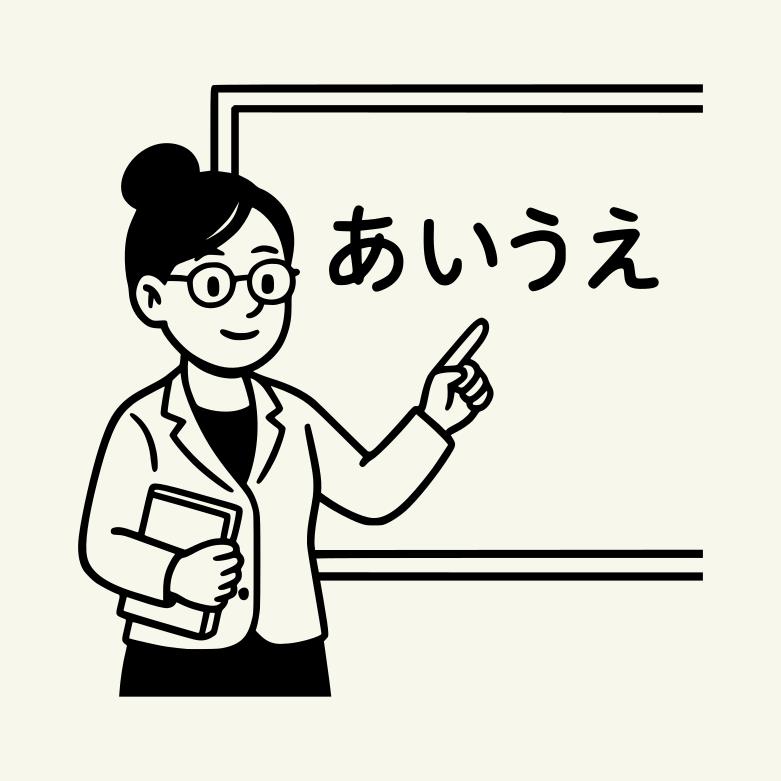 |
| だれ | |
| da·re | |
| Question 🔊 | Model answer 🔊 |
|
表示 ▶
漢: あなたの日本語の先生は誰ですか? 漢: ケイコ先生です。 |
|
| 060 | 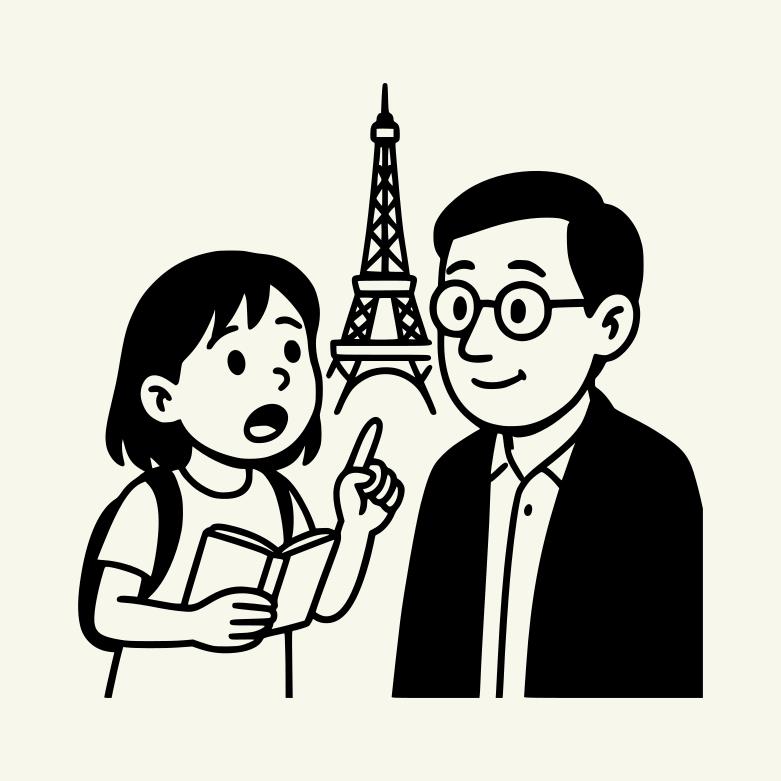 |
| はなせます | |
| ha·na·se·ma·su | |
| Question 🔊 | Model answer 🔊 |
|
表示 ▶
漢: あなたの妹はフランス語が話せますか? 漢: いいえ。妹はフランス語が話せません。 |
|
| Activity | Guess the question – part 1 |
| ① | Your teacher will say their own answers. Try to guess the questions. |
| ② | How many can you guess correctly in 30 seconds? |
| 051 | |
| それとも | |
| so·re·to·mo |
| 052 | |
| できます | |
| de·ki·ma·su |
| 053 | |
| どう | |
| dō |
| 054 | |
| あなた | |
| a·na·ta |
| 055 | |
| します | |
| shi·ma·su |
| 056 | |
| あります | |
| a·ri·ma·su |
| 057 | |
| なん | |
| na·n |
| 058 | |
| なんじ | |
| na·n·ji |
| 059 | |
| だれ | |
| da·re |
| 060 | |
| はなせます | |
| ha·na·se·ma·su |
|
Timer
30
|
|
Counter
0
|
| Activity | Guess the question – part 2 |
| ① | Now say your own answers. Your teacher will try to guess the questions. |
| ② | How many can you guess correctly in 30 seconds? |
| Listen In | Listen to the dialogue and answer the following questions. |
| ① | Can this person ride a bike? |
| ② | Does this person have a fever? |
| ③ | Does this person’s sister speak French? |
| Fill In ① | Use rōmaji to fill in the missing words in the questions and your own answers. |
| Q051 | [ ] wa a·me·ri·ka-ji·n de·su [ ]、so·re·to·mo i·gi·ri·su-ji·n de·su [ ]? |
| A051 | o·re wa [ ] de·su。 |
| Q052 | [ ] ni no·ru [ ] ga de·ki·ma·su ka? |
| A052 | [ ]。ji·te·n·sha ni [ ] ko·to ga [ ]。 |
| Q053 | dō [ ] ka? |
| A053 | [ ] ga [ ] de·su。 |
| Q054 | a·na·ta [ ] a·tsu·i [ ] ka? |
| A054 | [ ]。o·re wa [ ] de·su。 |
| Q055 | a·na·ta [ ] o·kā·sa·n wa [ ] wo [ ] shi·ma·su ka? |
| A055 | [ ]。ji·dō·sha [ ] u·n·te·n [ ]。 |
| Q056 | [ ] wa [ ] ga a·ri·ma·su [ ]? |
| A056 | [ ]。o·re wa ne·tsu ga [ ]。 |
| Q057 | kyō [ ] na·n·yō·bi [ ] ka? |
| A057 | [ ] de·su。 |
| Q058 | ni·chi·yō·bi [ ] na·n·ji [ ] o·ki·ma·su [ ]? |
| A058 | [ ] ni [ ] ni [ ]。 |
| Q059 | a·na·ta [ ] ni·ho·n·go [ ] se·n·se·i wa [ ] de·su ka? |
| A059 | [ ] de·su。 |
| Q060 | [ ] no [ ] wa [ ] ga ha·na·se·ma·su ka? |
| A060 | [ ]。i·mō·to wa fu·ra·n·su-go ga [ ]。/i·mō·to ga [ ]。 |
| Fill In ② | Now do the same using hiragana. |
| Q051 | [ ] は あめりか-じん です [ ]、それとも いぎりす-じん です [ ]? |
| A051 | おれ は [ ] です。 |
| Q052 | [ ] に のる [ ] が できます か? |
| A052 | [ ]。じてんしゃ に [ ] こと が [ ]。 |
| Q053 | どう [ ] か? |
| A053 | [ ] が [ ] です。 |
| Q054 | あなた [ ] あつい [ ] か? |
| A054 | [ ]。おれ は [ ] です。 |
| Q055 | あなた [ ] おかあさん は [ ] を [ ] します か? |
| A055 | [ ]。じどうしゃ [ ] うんてん [ ]。 |
| Q056 | [ ] は [ ] が あります [ ]? |
| A056 | [ ]。おれ は ねつ が [ ]。 |
| Q057 | きょう [ ] なんようび [ ] か? |
| A057 | [ ] です。 |
| Q058 | にちようび [ ] なんじ [ ] おきます [ ]? |
| A058 | [ ] に [ ] に [ ]。 |
| Q059 | あなた [ ] にほんご [ ] せんせい は [ ] です か? |
| A059 | [ ] です。 |
| Q060 | [ ] の [ ] は [ ]X が はなせます か? |
| A060 | [ ]。いもうと は ふらんす-ご が [ ]。/いもうと が [ ]。 |
| Zoom In | Substitute the words and talk about these topics. |
| Topic 1 | 誰・だれ・da·re = Who |
| 059 | |
| だれ | |
| da·re | |
| Question 🔊 | Model answer 🔊 |
| Question pattern |
| あなた の にほんご の せんせい は だれ です か? |
| a·na·ta no ni·ho·n·go no se·n·se·i wa da·re de·su ka? |
| Answer pattern 1 |
| ??? です。 |
| ??? de·su。 |
| Answer pattern 2 |
| にほんご の せんせい が いません。 |
| ni·ho·n·go no se·n·se·i ga i·ma·se·n。 |
| Variant |
| いや、いう の は ちょっと はずかしい です! |
| i·ya、i·u no wa cho·tto ha·zu·ka·shi·i de·su! |
| Vocabulary | ||
| 1 | にほんご の せんせい・ni·ho·n·go no se·n·se·i = Japanese language teacher | 挿入 |
| 2 | しんゆう・shi·n·yū = best friend | 挿入 |
| 3 | えいゆう・e·i·yū = hero | 挿入 |
| 4 | すきな みゅうじしゃん・su·ki·na myū·ji·sha·n = favorite musician | 挿入 |
| 5 | すきな はいゆう・su·ki·na ha·i·yū = favorite actor | 挿入 |
| 6 | すきな さっか・su·ki·na sa·kka = favorite author | 挿入 |
| 7 | すきな がか・su·ki·na ga·ka = favorite artist | 挿入 |
| 8 | すきな お-わらい げいにん・su·ki·na o-wa·ra·i ge·i·ni·n = favorite comedian | 挿入 |
| 9 | ぼす・bo·su = boss | 挿入 |
| 10 | はつこい・ha·tsu·ko·i = first love | 挿入 |
|
Timer
|
30
|
|
|
Counter
|
0
|
| Notes | 好き・すき・su·ki = “likeable” is an example of a -な・-na adjective in Japanese. Here are some more common -な・-na adjectives.
-な・-na adjectives are a easier to use than -い・-i adjectives because they do not need to be conjugated. However, you must be careful to add -な・-na if they are used in front of a noun. 私は静かな町に住んでいます。・わたし は しずかな まち に すんで います。・wa·ta·shi wa shi·zu·ka·na ma·chi ni su·n·de i·ma·su。 = I live in a quiet town. In order to use two or more adjectives to describe a noun, we add で・de to the end of -な・-na adjectives, and we replace the -い・-i at the end of -い・-i adjectives with -くて・-ku·te. See the following examples. 私は幸せです。私は元気です。・わたし は しあわせ です。わたし は げんき です。・wa·ta·shi wa shi·a·wa·se de·su。wa·ta·shi wa ge·n·ki de·su。 = I’m happy. I’m well. あの猫は小さいです。あの猫は可愛いです。・あの ねこ は ちいさい です。あの ねこ は かわいい です。・a·no ne·ko wa chi·i·sa·i de·su。a·no ne·ko wa ka·wa·i·i de·su。 = That cat is small. That cat is cute. 東京は大きくて賑やかな場所です。・とうきょう は おおきくて にぎやかな ばしょ です。・tō·kyō wa ō·ki·ku·te ni·gi·ya·ka·na ba·sho de·su。 = Tokyo is a big and lively place. |
| Topic 2 | 病気・びょうき・byō·ki = Sickness |
| 056 | |
| あります | |
| a·ri·ma·su | |
| Question 🔊 | Model answer 🔊 |
| Question pattern |
| あなた は ねつ が あります か? |
| a·na·ta wa ne·tsu ga a·rima·su ka? |
| Answer pattern 1 |
| はい。おれ は ねつ が あります。 |
| ha·i。o·re wa ne·tsu ga a·rima·su。 |
| Answer pattern 2 |
| いいえ。おれ は ねつ が ありません。 |
| i·i·e。o·re wa ne·tsu ga a·rima·se·n。 |
| Variant |
| ご-しんぱい ありがとう。たいした こと ない です。 |
| go-shi·n·pa·i a·ri·ga·tō。ta·i·shi·ta ko·to na·i de·su。 |
| Vocabulary | ||
| 1 | ねつ が あり・ne·tsu ga a·ri = have a fever | 挿入 |
| 2 | ずつう が あり・zu·tsū ga a·ri = have a headache | 挿入 |
| 3 | かたこり が あり・ka·ta·ko·ri ga a·ri = have a stiff neck | 挿入 |
| 4 | あれるぎい が あり・a·re·ru·gi·i ga a·ri = have any allergies | 挿入 |
| 5 | はきげ が し・ha·ki·ge ga shi = feel nauseous | 挿入 |
| 6 | めまい が し・me·ma·i ga shi = feel dizzy | 挿入 |
| 7 | せき が で・se·ki ga de = have a cough | 挿入 |
| 8 | お-とも が い・o-to·mo ga i = have someone with you | 挿入 |
| 9 | くすり を のみ・ku·su·ri wo no·mi = take any medicines | 挿入 |
| 10 | たすけ が いり・ta·su·ke ga i·ri = need help | 挿入 |
|
Timer
|
30
|
|
|
Counter
|
0
|
| Notes | In English, when we want to talk about the existence of things, we often use the verb “have” or the construction “there is/are/etc.”
I have two brothers. In Japanese, we use the verbs あります・a·ri·ma·su and います・i·ma·su to talk about the existence of things. あります・a·ri·ma·su is used for the existence of inanimate objects. 彼は熱があります。・かれ は ねつ が あります。・ka·re wa ne·tsu ga a·ri·ma·su。 = He has a fever. います・i·ma·su is used for the existence of animate objects. 私は兄妹が二人います。・わたし は きょうだい が ふたり います。・wa·ta·shi wa kyō·da·i ga fu·ta·ri i·ma·su。 = I have two siblings. Both of these verbs use the same structures. (AAA は) (BBB に) CCC が (DDD) あります/います。・(AAA wa) (BBB ni) CCC ga (DDD) a·ri·ma·su/i·ma·su。 Where:
The items in parentheses help clarify the situation, but they can be omitted if the situation is obvious. ボッブは銀行にお金がたくさんあります。・ぼっぶ は ぎんこう に お-かね が たくさん あります。・bo·bbu wa gi·n·kō ni o-ka·ne ga ta·ku·sa·n a·ri·ma·su。 = Bob has a lot of money in the bank. |
| Talk More Technique | ⑥ Show sympathy |
| それ は お-き の どく に。 |
 |
| so·re wa o-ki no do·ku ni。 | |
| 🔊 | |
| I’m sorry to hear that. |
| やばい! |  |
| ya·ba·i! | |
| 🔊 | |
| Oh, my god! |
| Sample Dialog | |||
| A: | おれ は ねつ が あります よ。 | A: | o·re wa ne·tsu ga a·ri·ma·su yo。 |
| B: | それ は お-き の どく に。 | B: | so·re wa o-ki no do·ku ni。 |
| A: | はい。ずつう も あります よ。 | A: | ha·i。zu·tsū mo a·ri·ma·su yo。 |
| B: | ずつう も? | B: | zu·tsū mo? |
| A: | ええ。はきげ も します よ。 | A: | ē。ha·ki·ge mo shi·ma·su yo。 |
| B: | やばい! | B: | ya·ba·i! |
| Talk Longer | Use the questions in this unit, the patterns in the Zoom In section, and the Talk More Technique to have a longer conversation with your teacher. |
| それとも | |
| so·re·to·mo |
| できます | |
| de·ki·ma·su |
| どう | |
| dō |
| あなた | |
| a·na·ta |
| します | |
| shi·ma·su |
| あります | |
| a·ri·ma·su |
| なん | |
| na·n |
| なんじ | |
| na·n·ji |
| だれ | |
| da·re |
| はなせます | |
| ha·na·se·ma·su |
| それ は お-き の どく に。 |
|
| so·re wa o-ki no do·ku ni。 |
| やばい! | |
| ya·ba·i! |
|
Timer
|
2:00
|
|
|
|
| Write Up | Use the questions and answer patterns in this unit to write about your teacher. |
| ① | Make notes of your teacher’s answers to the questions in this unit. |
| ② | Then, try to write the full sentences using hiragana. |
| Subject | he ~ : | 彼は~・かれ は~・ka·re wa ~ | ||
| she ~ : | 彼女は~・かのじょ は~・ka·no·jo wa ~ | |||
| Possessive adjective | his ~ : | 彼の~・かれ の~・ka·re no ~ | ||
| her ~ : | 彼女の~・かのじょ の~・ka·no·jo no ~ |
| Q051 | |
| Notes: | [ ] [ ]-ji·n de·su。 |
| In hiragana: | |
| Q052 | |
| Notes: | [ ] ji·te·n·sha ni no·ru ko·to ga [ ]。 |
| In hiragana: | |
| Q054 | |
| Notes: | [ ] [ ] de·su。 |
| In hiragana: | |
| Q055 | |
| Notes: | [ ] o·kā·sa·n wa ji·dō·sha wo u·n·te·n [ ]。 |
| In hiragana: | |
| Q056 | |
| Notes: | [ ] ne·tsu ga [ ]。 |
| In hiragana: | |
| Q058 | |
| Notes: | [ ] ni·chi·yō·bi ni [ ] ni o·ki·ma·su。 |
| In hiragana: | |
| Q059 | |
| Notes: | [ ] ni·ho·n·go no se·n·se·i wa [ ] de·su。 |
| In hiragana: | |
| Q060 | |
| Notes: | [ ] i·mō·to wa fu·ra·n·su-go ga [ ]。 |
| In hiragana: |