| Get Ready! | Listen to the Japanese repeatedly and practice until you can say it smoothly. |
| ① | Repeat each question and answer three times. |
| ② | Your teacher will ask you the questions. Give your own answers. |
| ③ | Ask your teacher the questions and listen to their answers. |
| Pay special attention to the keywords. |
| 061 | 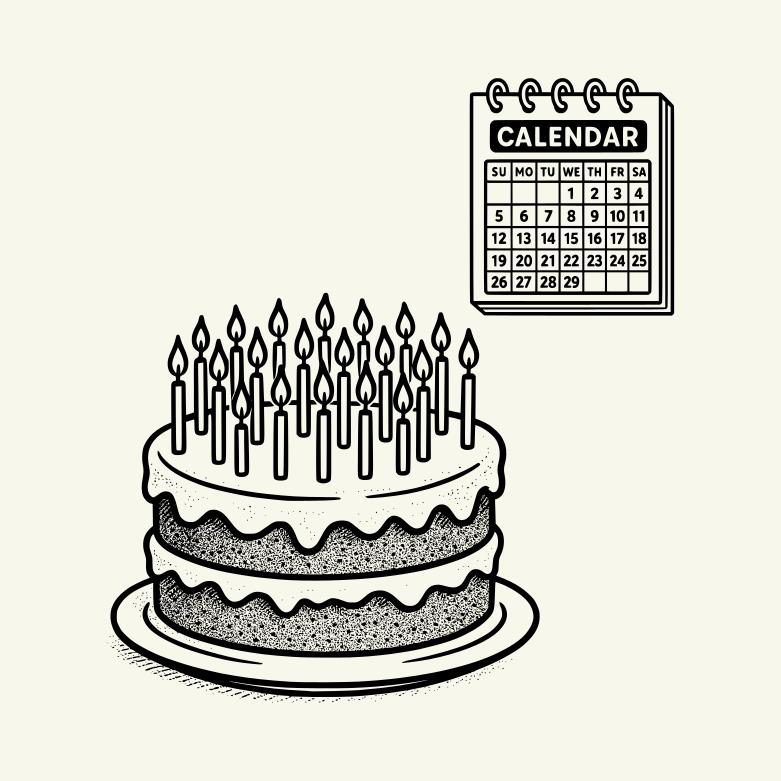 |
| いつ | |
| i·tsu | |
| Question 🔊 | Model answer 🔊 |
|
表示 ▶
漢: お誕生日はいつですか? 漢: 4月5日です。 |
|
| 062 |  |
| どこ | |
| do·ko | |
| Question 🔊 | Model answer 🔊 |
|
表示 ▶
漢: ニューヨークはどこにありますか? 漢: アメリカにあります。 |
|
| 063 |  |
| あなた | |
| a·na·ta | |
| Question 🔊 | Model answer 🔊 |
|
表示 ▶
漢: あなたはコーヒーを飲みますか? 漢: いいえ。コーヒーを飲みません。 |
|
| 064 | 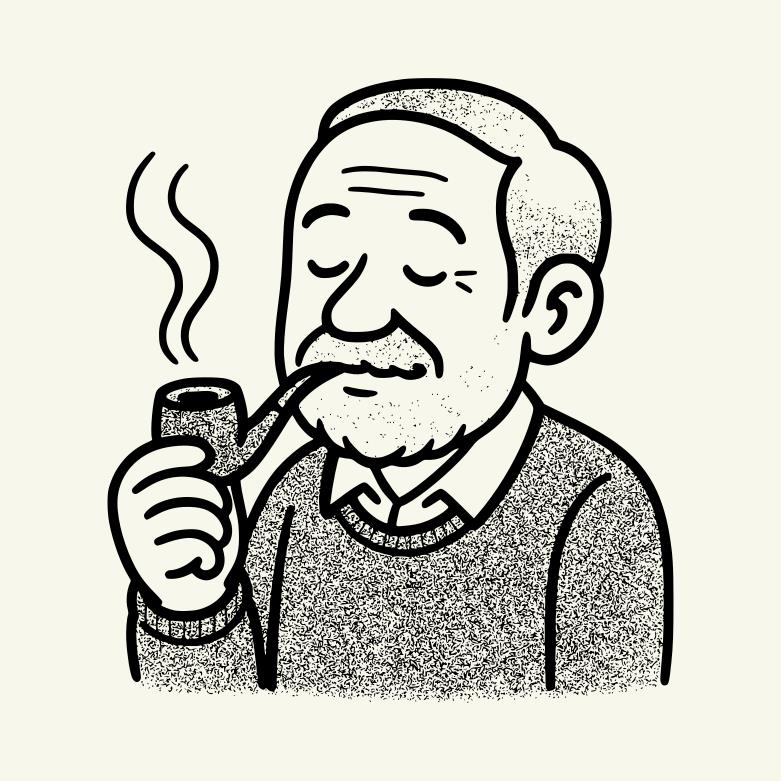 |
| あなた | |
| a·na·ta | |
| Question 🔊 | Model answer 🔊 |
|
表示 ▶
漢: あなたのお父さんはタバコを吸いますか? 漢: いいえ。お父さんはタバコをやめました。 |
|
| 065 | 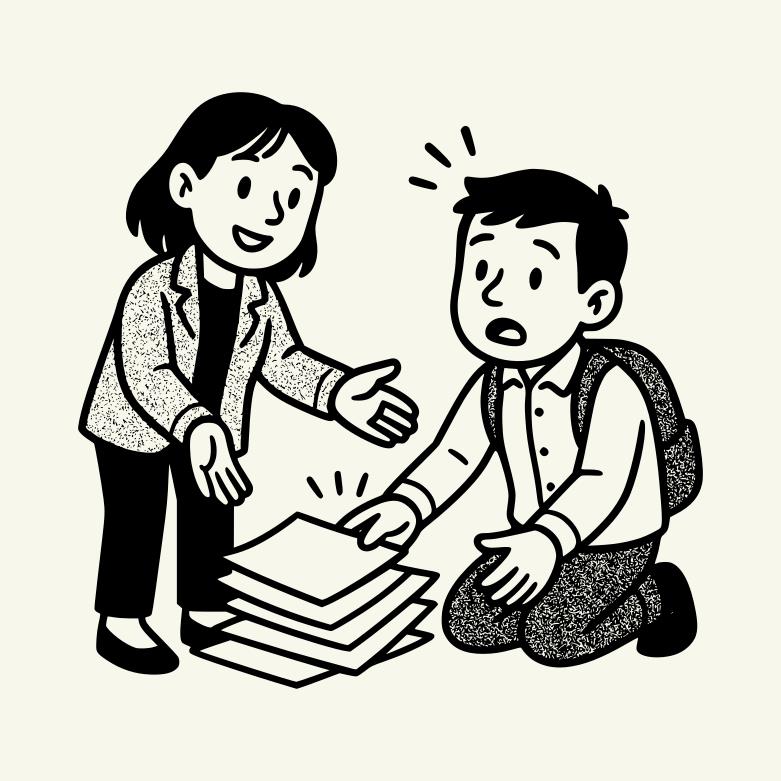 |
| ~ましょう | |
| ~ma·shō | |
| Question 🔊 | Model answer 🔊 |
|
表示 ▶
漢: 手伝いましょうか? 漢: はい。お願いします。 |
|
| 066 | 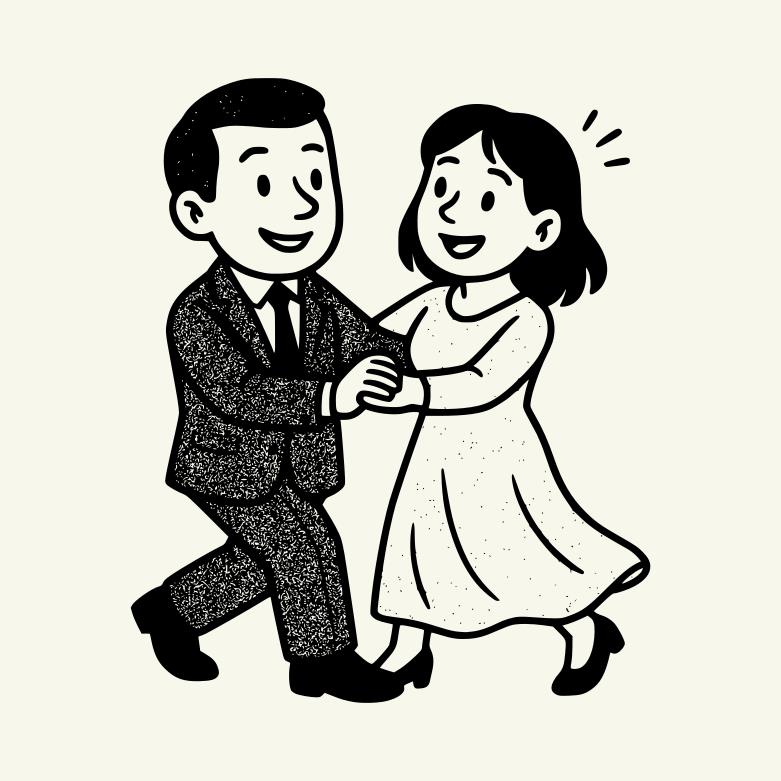 |
| できます | |
| de·ki·ma·su | |
| Question 🔊 | Model answer 🔊 |
|
表示 ▶
漢: ダンスができますか? 漢: はい。ダンスができます。 |
|
| 067 | 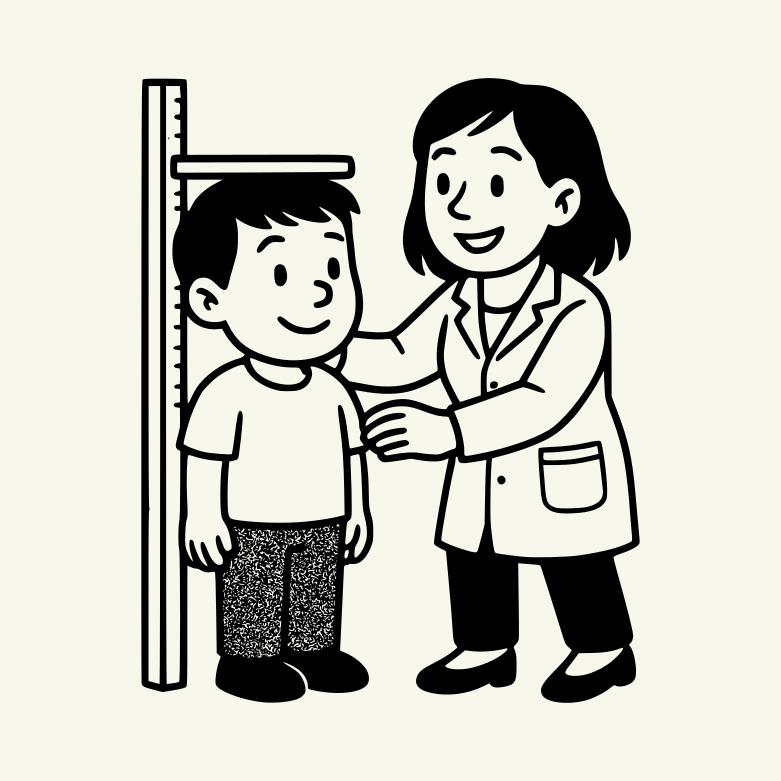 |
| どのくらい | |
| do·no·ku·ra·i | |
| Question 🔊 | Model answer 🔊 |
|
表示 ▶
漢: 背の高さはどのくらいですか? 漢: 160cmです。 |
|
| 068 | 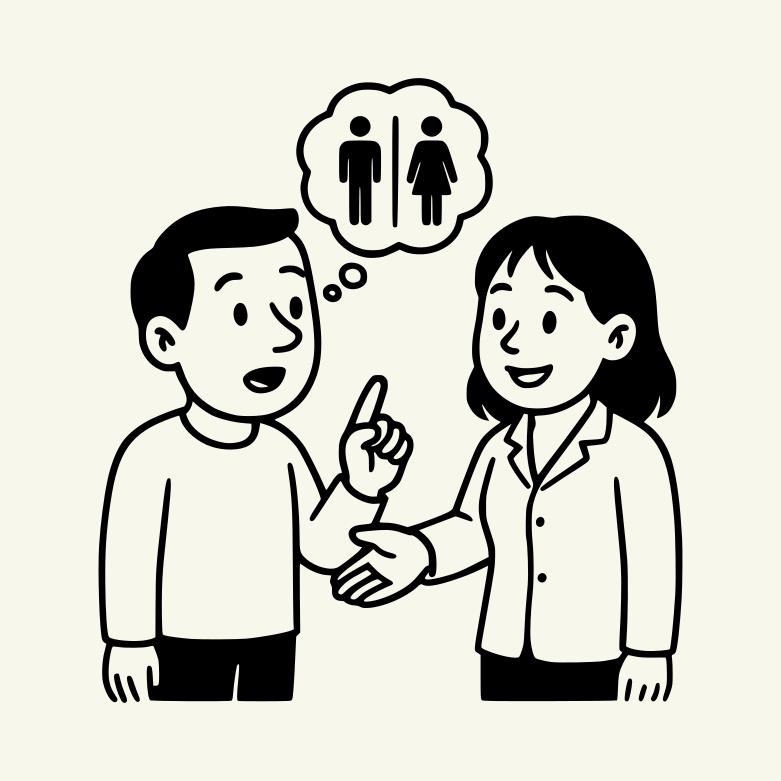 |
| どこ | |
| do·ko | |
| Question 🔊 | Model answer 🔊 |
|
表示 ▶
漢: お手洗いはどこですか? 漢: こちらです。どうぞ。 |
|
| 069 | 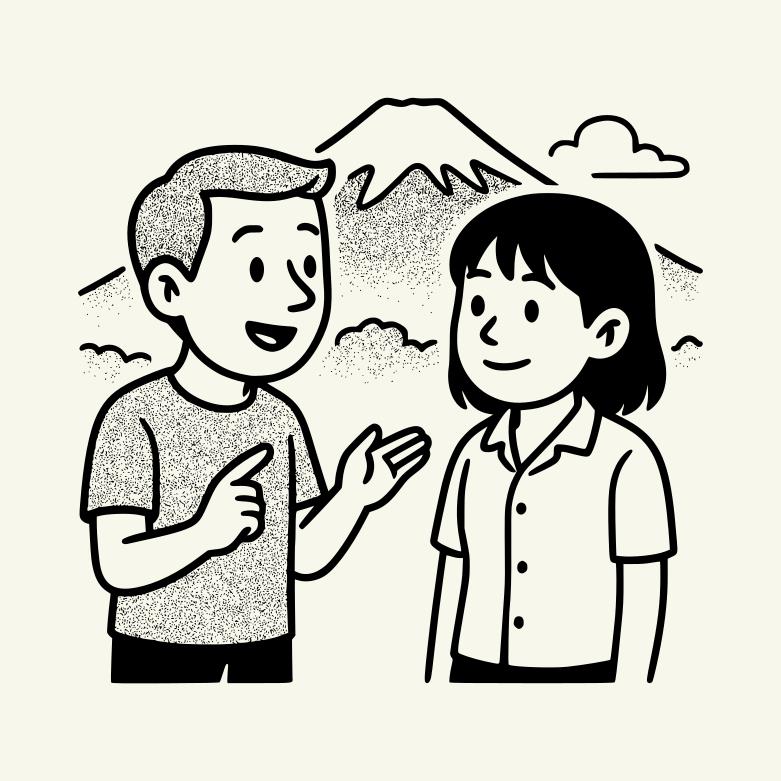 |
| はなせます | |
| ha·na·se·ma·su | |
| Question 🔊 | Model answer 🔊 |
|
表示 ▶
漢: あなたのお兄さんは日本語が話せますか? 漢: はい。お兄さんは上手に日本語を話します。 |
|
| 070 | 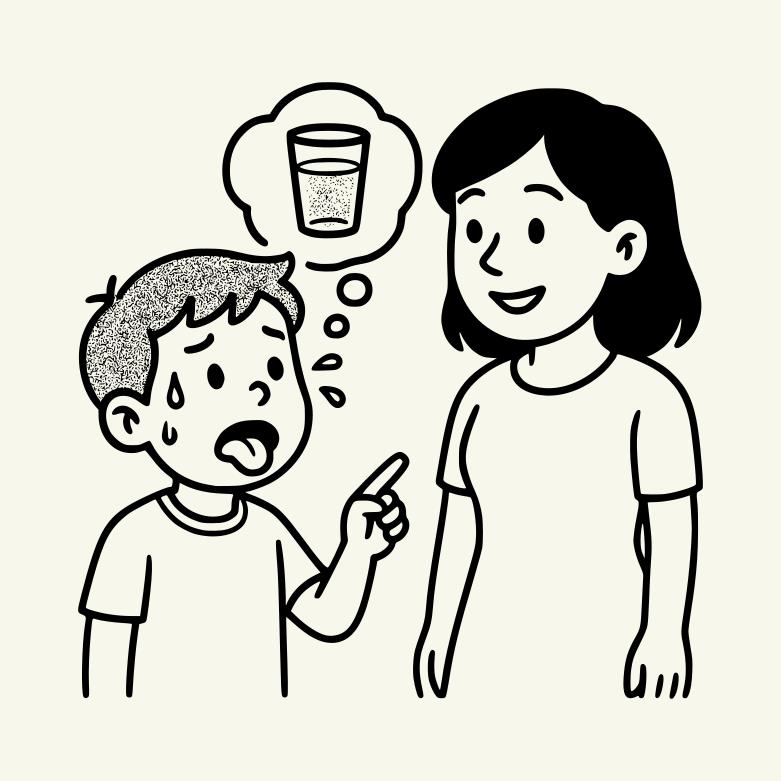 |
| ~て も いい | |
| ~te mo i·i | |
| Question 🔊 | Model answer 🔊 |
|
表示 ▶
漢: お水をもらってもいいですか? 漢: いいですよ。 |
|
| Activity | Guess the question – part 1 |
| ① | Your teacher will say their own answers. Try to guess the questions. |
| ② | How many can you guess correctly in 30 seconds? |
| 061 | |
| いつ | |
| i·tsu |
| 062 | |
| どこ | |
| do·ko |
| 063 | |
| あなた | |
| a·na·ta |
| 064 | |
| あなた | |
| a·na·ta |
| 065 | |
| ~ましょう | |
| ~ma·shō |
| 066 | |
| できます | |
| de·ki·ma·su |
| 067 | |
| どのくらい | |
| do·no·ku·ra·i |
| 068 | |
| どこ | |
| do·ko |
| 069 | |
| はなせます | |
| ha·na·se·ma·su |
| 070 | |
| ~て も いい | |
| ~te mo i·i |
|
Timer
30
|
|
Counter
0
|
| Activity | Guess the question – part 2 |
| ① | Now say your own answers. Your teacher will try to guess the questions. |
| ② | How many can you guess correctly in 30 seconds? |
| Listen In | Listen to the dialogue and answer the following questions. |
| ① | Does this person drink coffee? |
| ② | Does this person’s brother smoke? |
| ③ | How tall is this person? |
| Fill In ① | Use rōmaji to fill in the missing words in the questions and your own answers. |
| Q061 | o-ta·n·jō·bi wa [ ] de·su [ ]? |
| A061 | [ ] [ ] de·su。 |
| Q062 | nyū·yō·ku wa [ ] ni [ ] ka? |
| A062 | a·me·ri·ka [ ] a·ri·ma·su。 |
| Q063 | a·na·ta [ ] kōhi·i [ ] no·mi·ma·su [ ]? |
| A063 | [ ]。kōhi·i wo [ ]。 |
| Q064 | [ ] no [ ] wa [ ] wo su·i·ma·su ka? |
| A064 | [ ]。o·tō·sa·n wa ta·ba·ko wo [ ]。 |
| Q065 | te·tsu·da·i·ma·shō [ ]? |
| A065 | [ ]。o·ne·ga·i·shi·ma·su。/[ ]。kekkō desu。 |
| Q066 | [ ] [ ] de·ki·ma·su ka? |
| A066 | [ ]。da·n·su ga [ ]。 |
| Q067 | se [ ] ta·ka·sa [ ] do·no·ku·ra·i [ ] ka? |
| A067 | [ ] se·n·chi de·su。 |
| Q068 | o-te·a·ra·i [ ] [ ] [ ] [ ]? |
| A068 | ko·chi·ra de·su。dō·zo。 |
| Q069 | a·na·ta no [ ] wa [ ] ga ha·na·se·ma·su ka? |
| A069 | [ ]。o·ni·i·sa·n wa ni·ho·n·go ga [ ]。/o·ni·i·sa·n ga [ ]。 |
| Q070 | o-mi·zu [ ] mo·ra·tte mo [ ] de·su [ ]? |
| A070 | i·i [ ] yo。/da·me [ ]。 |
| Fill In ② | Now do the same using hiragana. |
| Q061 | お-たんじょうび は [ ] です [ ]? |
| A061 | [ ] [ ] です。 |
| Q062 | にゅーよーく は [ ] に [ ] か? |
| A062 | あめりか [ ] あります。 |
| Q063 | あなた [ ] こーひー [ ] のみます [ ]? |
| A063 | [ ]。こーひー を [ ]。 |
| Q064 | [ ] の [ ] は [ ] を すいます か? |
| A064 | [ ]。おとうさん は たばこ を [ ]。 |
| Q065 | てつだいましょう [ ]? |
| A065 | [ ]。おねがいします。/[ ]。けっこう です。 |
| Q066 | [ ] [ ] できます か? |
| A066 | [ ]。だんす が [ ]。 |
| Q067 | せ [ ] たかさ [ ] どのくらい [ ] か? |
| A067 | [ ] せんち です。 |
| Q068 | お-てあらい [ ] [ ] [ ] [ ]? |
| A068 | こちら です。どうぞ。 |
| Q069 | あなた の [ ] は [ ] が はなせます か? |
| A069 | [ ]。おにいさん は にほんご が [ ]。/おにいさん が [ ]。 |
| Q070 | お-みず [ ] もらって も [ ] です [ ]? |
| A070 | いい [ ] よ。/だめ [ ]。 |
| Zoom In | Substitute the words and talk about these topics. |
| Topic 1 | いつ・いつ・i·tsu = When |
| 061 | |
| いつ | |
| i·tsu | |
| Question 🔊 | Model answer 🔊 |
| Question pattern |
| お-たんじょうび は いつ です か? |
| o-ta·n·jō·bi wa i·tsu de·su ka? |
| Answer pattern 1 |
| ??? です。 |
| ??? de·su。 |
| Answer pattern 2 |
| お-たんじょうび が ありません。 |
| o-ta·n·jō·bi ga a·ri·ma·se·n。 |
| Variant |
| おぼえて いません。 |
| o·bo·e·te i·ma·se·n。 |
| Vocabulary | ||
| 1 | お-たんじょうび・o-ta·n·jō·bi = your birthday | 挿入 |
| 2 | にほんご の れっすん・ni·ho·n·go no re·ssu·n = (your) Japanese lesson | 挿入 |
| 3 | がんたん・ga·n·ta·n = New Year’s Day | 挿入 |
| 4 | たなばた・ta·na·ba·ta = Tanabata Festival | 挿入 |
| 5 | てすと・te·su·to = (your) test | 挿入 |
| 6 | めんせつ・me·n·se·tsu = (your) interview | 挿入 |
| 7 | にほん へ の たび・ni·ho·n e no ta·bi = (your) trip to Japan | 挿入 |
| 8 | つぎ の さいじつ・tsu·gi no sa·i·ji·tsu = the next public holiday | 挿入 |
| 9 | せつぶん・se·tsu·bu·n = Bean-Throwing Festival | 挿入 |
| 10 | だぶりゅーはい・da·bu·ryū·ha·i = the World Cup | 挿入 |
|
Timer
|
30
|
|
|
Counter
|
0
|
| Notes | Dates are expressed in Japanese in the order year, month, date as we can see in the following example.
1979年7月23日・1979-ねん 7-がつ 23-にち・1979-ne·n 7-ga·tsu 23-ni·chi = 23rd July 1979 Although many dates are written using the Western calendar’s year, some are still written using the traditional system of the name of the Japanese era followed by the year of that era. The Japanese era changes when a new emperor takes the throne. For example: 令和7年10月13日・れいわ 7-ねん 10-がつ 13-にち・re·i·wa 7-ne·n 10-ga·tsu 13-ni·chi = 13th October 2025 The recent Japanese eras are as follows.
The months are referred to using the number of the month followed by 月・がつ・ga·tsu. Below, the months have been written using kanji for the number. However, it is quite normal (in fact, more common) to use numbers instead of kanji. 一月・いちがつ・i·chi·ga·tsu = January There are also traditional Japanese names for the months. For example, January is 睦月・むつき・mu·tsu·ki = “friendly month” and November is 霜月・しもつき・shi·mo·tsu·ki = “frost month.” These are seldom used nowadays. The names of dates are a bit trickier to remember. However, if you can’t remember the irregular ones, you will be understood if you say いちにち・i·chi·ni·chi, ににち・ni·ni·chi, etc. instead. 1日・ついたち・tsu·i·ta·chi = 1st The days of the week are as follows. 月曜日・げつようび・ge·tsu·yō·bi = Monday (lit. “moon day”) Often the day of the week will be shown in a date using a single kanji in parentheses. 3月15日(金)・3-がつ 15-にち(きん)・3-ga·tsu 15-ni·chi(ki·n) = Friday 15th March When referring to multiple days of the week, it is common practice to do so using just the first kanji of their names. 僕は来週の金土日に仕事をします。 As you can probably guess from the Japanese names for Monday and Sunday, this seven-day system was introduced from Western culture in the recent past. There is also a traditional Japanese system in which one week is comprised of six days rather than seven. The days in this system are named according to Buddhist beliefs, and certain days are considered to be luckier than others. Many Japanese people still believe in this superstition and so it is not uncommon to see the traditional Japanese names of the days of the week printed on Japanese calendars. When referring to when events take (or took) place, the main prepositions that are used in Japanese are に・ni, から・ka·ra, and まで・ma·de. に・ni = at or on: から・ka·ra = from or since |
| Topic 2 | 何処・どこ・do·ko = Where |
| 068 | |
| どこ | |
| do·ko | |
| Question 🔊 | Model answer 🔊 |
| Question pattern |
| お-てあらい は どこ です (に あります) か? |
| o-te·a·ra·i wa do·ko de·su (ni a·ri·ma·su) ka? |
| Answer pattern 1 |
| ??? です(に あります)。 |
| ??? de·su (ni a·ri·ma·su)。 |
| Answer pattern 2 |
| こちらです。どうぞ。 |
| ko·chi·ra·de·su。dō·zo。 |
| Variant |
| しりません。 |
| shi·ri·ma·se·n。 |
| Vocabulary | ||
| 1 | お-てあらい・o-te·a·ra·i = the bathroom | 挿入 |
| 2 | にゅーよーく・nyū·yō·ku = New York | 挿入 |
| 3 | あなた の がっこう・a·na·ta no ga·kkō = your school | 挿入 |
| 4 | いちばん ちかい お-みせ・i·chi·ba·n chi·ka·i o-mi·se = the nearest shop | 挿入 |
| 5 | あなた の かぎ・a·na·ta no ka·gi = your key(s) | 挿入 |
| 6 | たーじ・まはる・tā·ji・ma·ha·ru = the Taj Mahal | 挿入 |
| 7 | うえの どうぶつえん・u·e·no dō·bu·tsu·e·n = Ueno Zoo | 挿入 |
| 8 | しゃんはい・sha·n·ha·i = Shanghai | 挿入 |
| 9 | だいどころ・da·i·do·ko·ro = the kitchen | 挿入 |
| 10 | いちばん すきな ばしょ・i·chi·ba·n su·ki·na ba·sho = (your) favourite place | 挿入 |
|
Timer
|
30
|
|
|
Counter
|
0
|
| Notes | The following expressions can be used to describe the location of objects in Japanese.
~の上に・~の うえ に・~no u·e ni = on or above: ~の下に・~の した に・~no shi·ta ni = under or below: ~の前に・~の まえ に・~no ma·e ni = in front of or before: ~の後ろに・~の うしろ に・~no u·shi·ro ni = behind: ~の中に・~の なか に・~no na·ka ni = inside: ~の外に・~の そと に・~no so·to ni = outside: ~の隣に・~の となり に・~no to·na·ri ni = next to (usually same kind of thing): ~の横に・~の よこ に・~no yo·ko ni = beside: ~(と~)の間に・~(と~)の あいだ に・~(to~)no a·i·da ni = between: ~の近くに・~の ちかく に・~no chi·ka·ku ni = near or close to: ~のそばに・~の そば に・~no so·ba ni = near or beside: ~の向かいに・~の むかい に・~no mu·ka·i ni = across from or opposite: ~の右に・~の みぎ に・~no mi·gi ni = to the right of: ~の左に・~の ひだり に・~no hi·da·ri ni = to the left of: ~の周りに・~の まわり に・~no ma·wa·ri ni = around or surrounding: There are, of course, other similar expressions. |
| Talk More Technique | ⑦ Making time |
| ええと… | 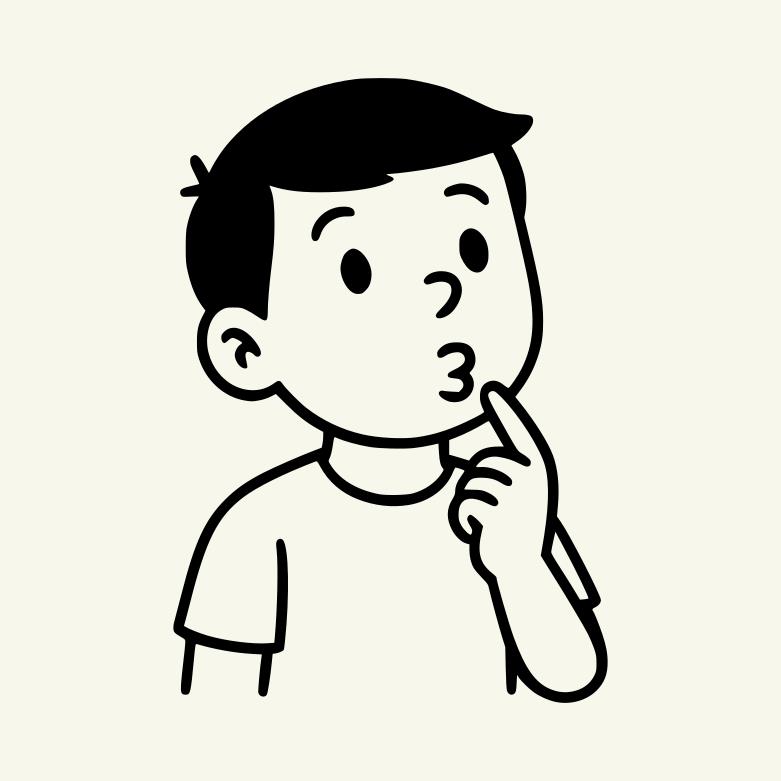 |
| ē·to… | |
| 🔊 | |
| Well… |
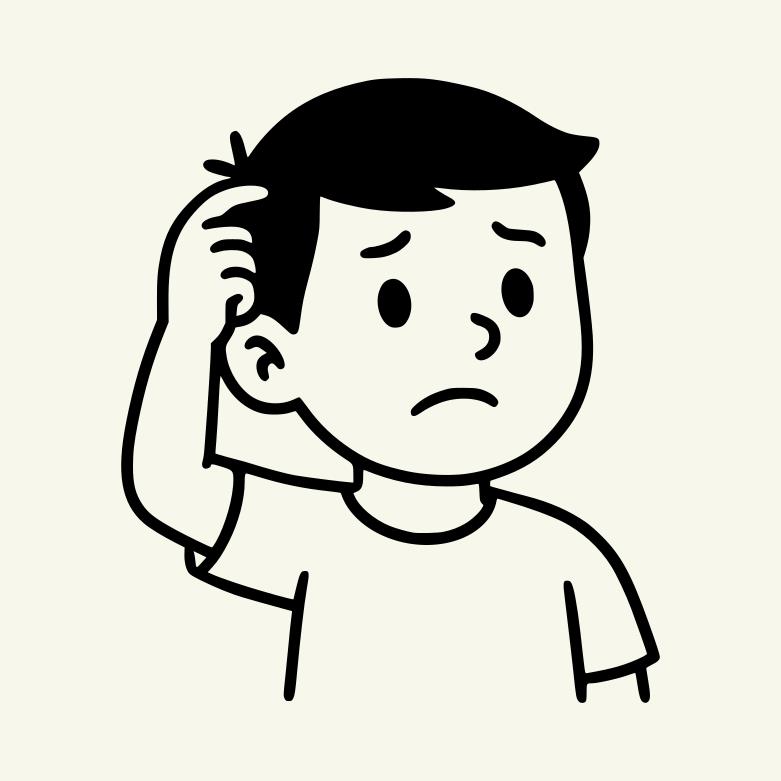
| ちょっと まって ね。 |
 |
| cho·tto ma·tte ne。 | |
| 🔊 | |
| Give me a moment. |
| Sample Dialog | |||
| A: | なに を して います か? | A: | na·ni wo shi·te i·ma·su ka? |
| B: | ええと… うぇぶさいと を つくって います。 | B: | ē·to… we·bu·sa·i·to wo tsu·ku·tte i·ma·su。 |
| A: | まじ で? みて も いい です か? | A: | ma·ji de? mi·te mo i·i de·su ka? |
| B: | ちょっと まって ね。 もう すこし で かんせい します。 | B: | cho·tto ma·tte ne。 mō su·ko·shi de ka·n·se·i shi·ma·su。 |
| Talk Longer | Use the questions in this unit, the patterns in the Zoom In section, and the Talk More Technique to have a longer conversation with your teacher. |
| いつ | |
| i·tsu |
| どこ | |
| do·ko |
| あなた | |
| a·na·ta |
| あなた | |
| a·na·ta |
| ~ましょう | |
| ~ma·shō |
| できます | |
| de·ki·ma·su |
| どのくらい | |
| do·no·ku·ra·i |
| どこ | |
| do·ko |
| はなせます | |
| ha·na·se·ma·su |
| ~て も いい | |
| ~te mo i·i |
| ええと… | |
| ē·to… |
| ちょっと まって ね。 |
|
| cho·tto ma·tte ne。 |
|
Timer
|
2:00
|
|
|
|
| Write Up | Use the questions and answer patterns in this unit to write about your teacher. |
| ① | Make notes of your teacher’s answers to the questions in this unit. |
| ② | Then, try to write the full sentences using hiragana. |
| Subject | he ~ : | 彼は~・かれ は~・ka·re wa ~ | ||
| she ~ : | 彼女は~・かのじょ は~・ka·no·jo wa ~ | |||
| Possessive adjective | his ~ : | 彼の~・かれ の~・ka·re no ~ | ||
| her ~ : | 彼女の~・かのじょ の~・ka·no·jo no ~ |
| Q061 | |
| Notes: | [ ] ta·n·jō·bi wa [ ] [ ] de·su。 |
| In hiragana: | |
| Q063 | |
| Notes: | [ ] kō·hi·i·wo [ ]。 |
| In hiragana: | |
| Q064 | |
| Notes: | [ ] o·tō·sa·n wa ta·ba·ko wo [ ]。 |
| In hiragana: | |
| Q066 | |
| Notes: | [ ] da·n·su ga [ ]。 |
| In hiragana: | |
| Q067 | |
| Notes: | [ ] se no ta·ka·sa wa [ ] se·n·chi de·su。 |
| In hiragana: | |
| Q069 | |
| Notes: | [ ] o·ni·i·sa·n wa ni·ho·n·go ga [ ]。 |
| In hiragana: |