| Get Ready! | Listen to the Japanese repeatedly and practice until you can say it smoothly. |
| ① | Repeat each question and answer three times. |
| ② | Your teacher will ask you the questions. Give your own answers. |
| ③ | Ask your teacher the questions and listen to their answers. |
| Pay special attention to the keywords. |
| 011 | 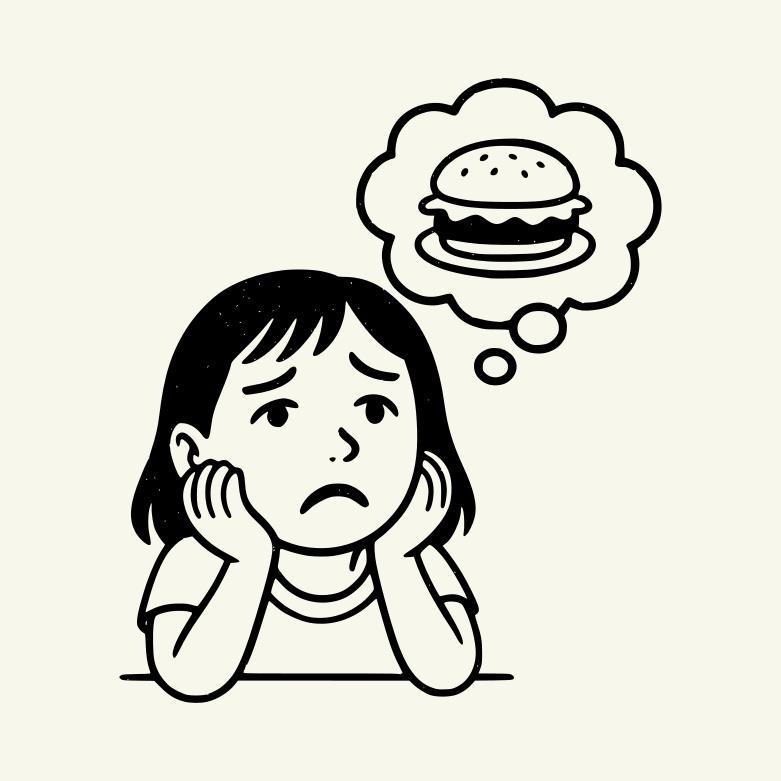 |
| ~ています | |
| ~て います | |
| Question 🔊 | Model answer 🔊 |
|
表示 ▶
漢: お腹が空いていますか? 漢: いいえ。空いていません。 |
|
| 012 | 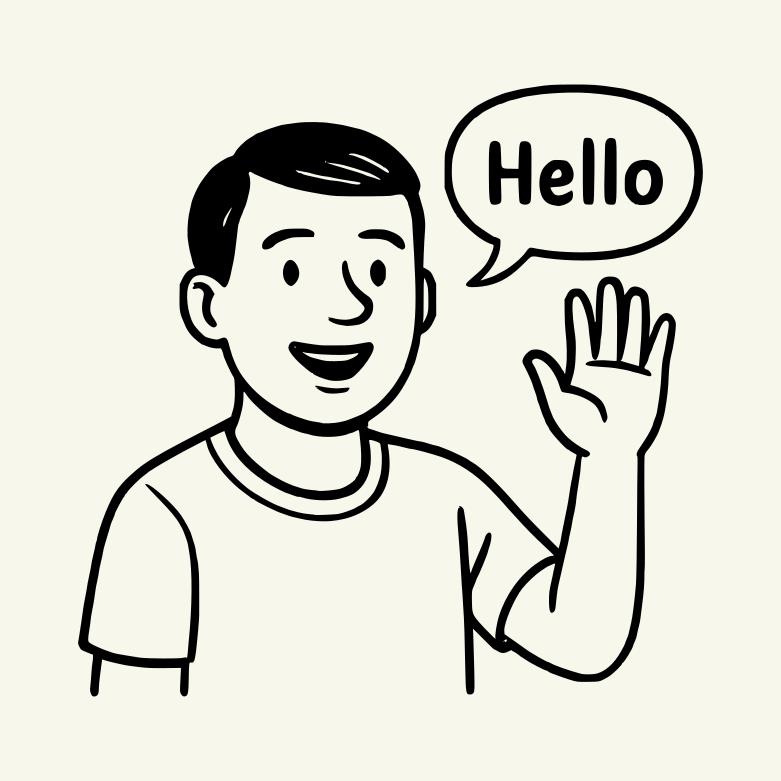 |
| 話せます | |
| はなせます | |
| Question 🔊 | Model answer 🔊 |
|
表示 ▶
漢: 英語が話せますか? 漢: はい。英語が話せます。 |
|
| 013 | 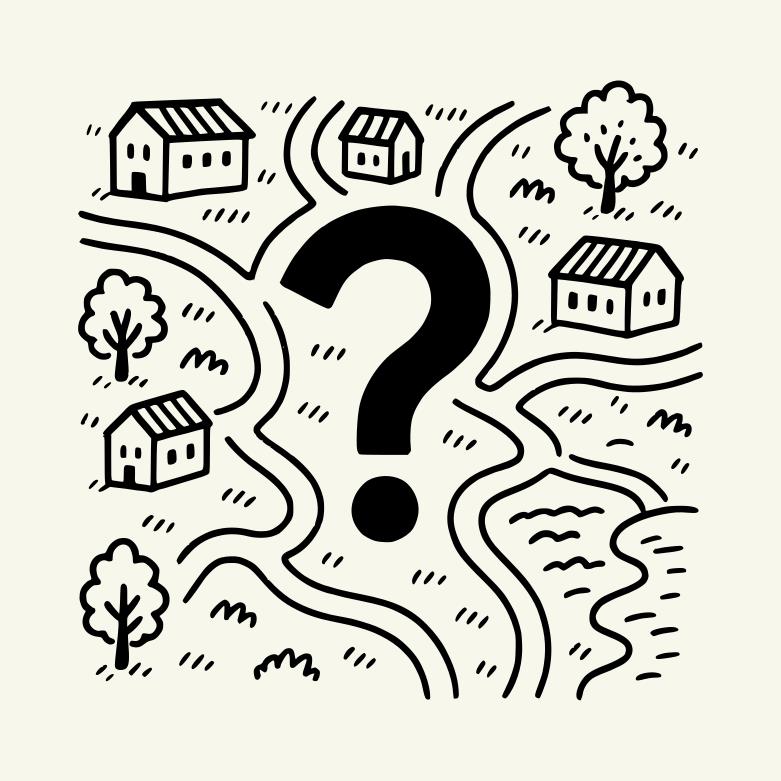 |
| どこ | |
| どこ | |
| Question 🔊 | Model answer 🔊 |
|
表示 ▶
漢: どこに住んでいますか? 漢: ロンドンに住んでいます。 |
|
| 014 | 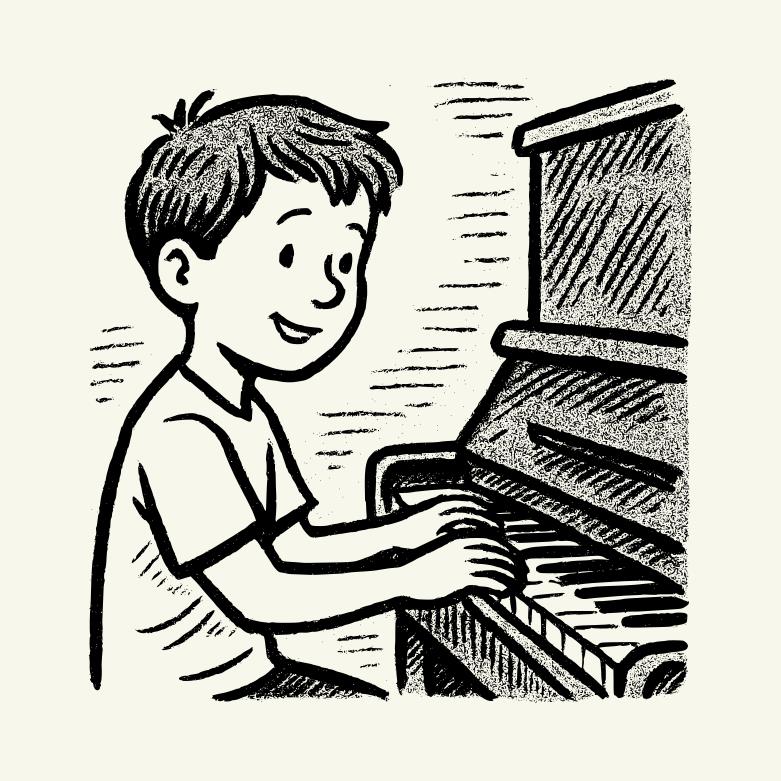 |
| できます | |
| できます | |
| Question 🔊 | Model answer 🔊 |
|
表示 ▶
漢: ピアノを弾くことができますか? 漢: はい。ピアノを弾くことができます。 |
|
| 015 | 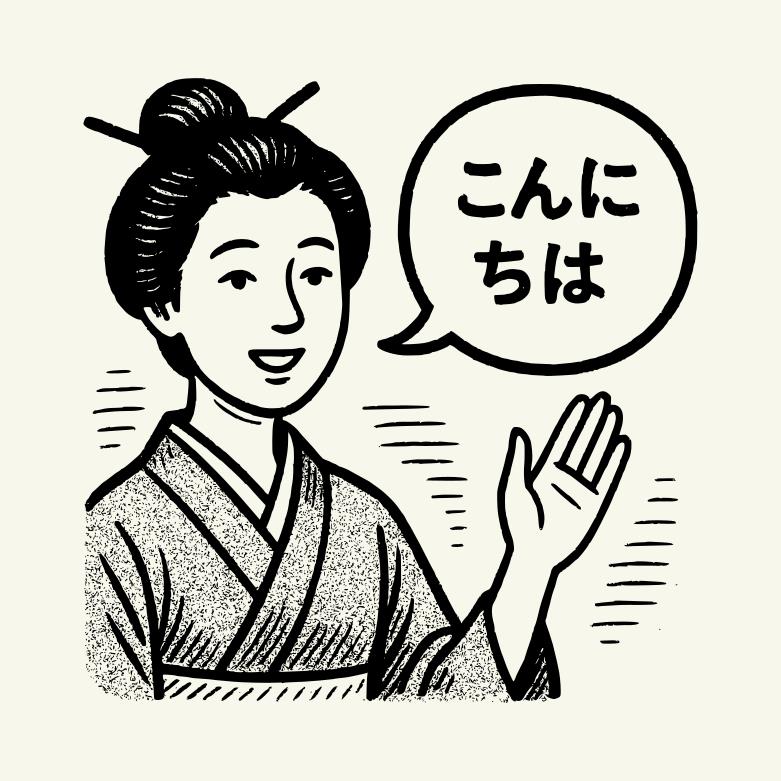 |
| 話せます | |
| はなせます | |
| Question 🔊 | Model answer 🔊 |
|
表示 ▶
漢: 日本語が話せますか? 漢: はい。日本語が少し話せます。 |
|
| 016 |  |
| どこ | |
| どこ | |
| Question 🔊 | Model answer 🔊 |
|
表示 ▶
漢: どこから来ましたか? 漢: イギリスのロンドンから来ました。 |
|
| 017 | 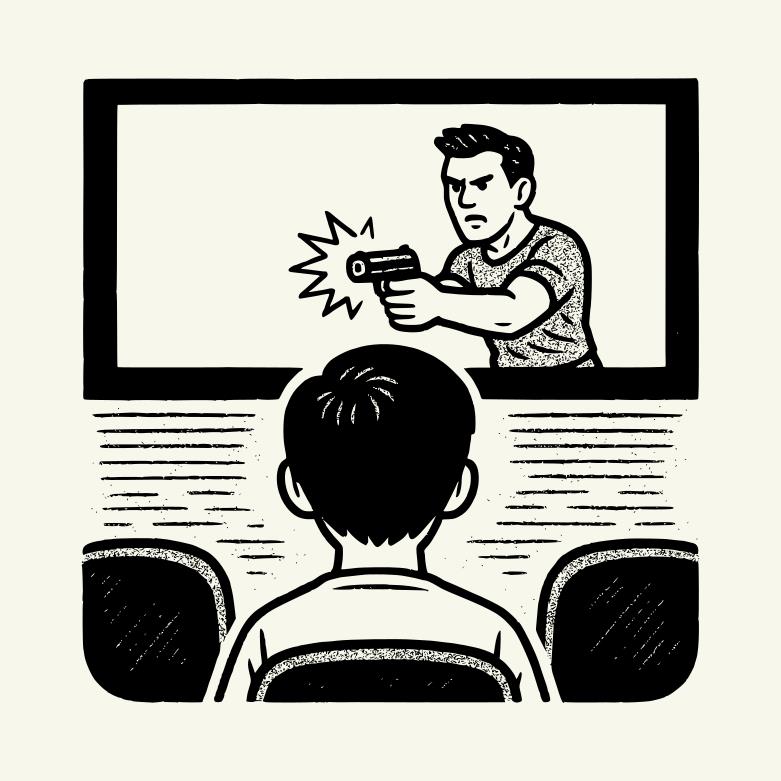 |
| 好き | |
| すき | |
| Question 🔊 | Model answer 🔊 |
|
表示 ▶
漢: アクション映画が好きですか? 漢: はい。アクション映画が好きです。 |
|
| 018 | 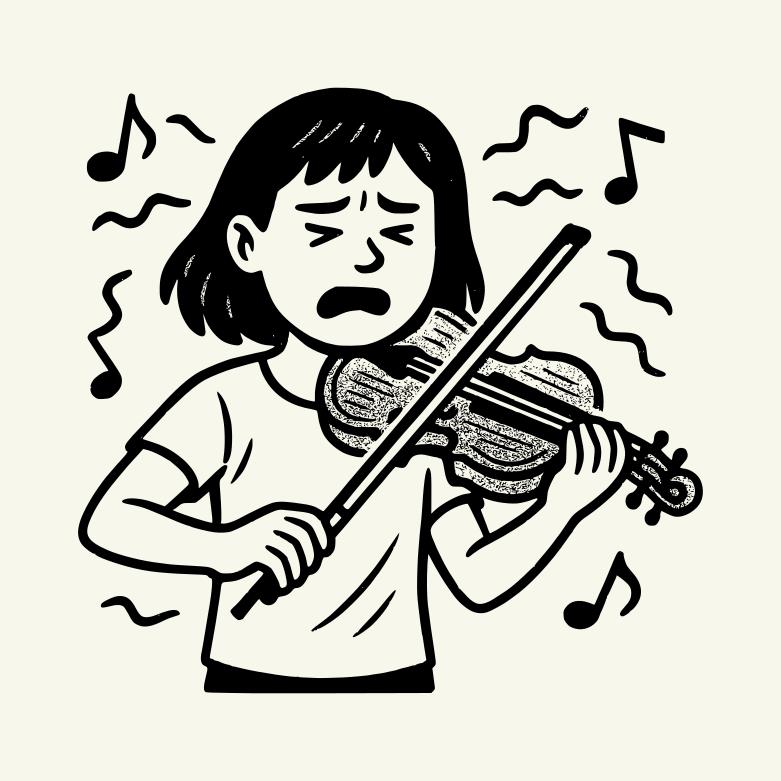 |
| できます | |
| できます | |
| Question 🔊 | Model answer 🔊 |
|
表示 ▶
漢: バイオリンを弾くことができますか? 漢: いいえ。バイオリンを弾くことができません。 |
|
| 019 | 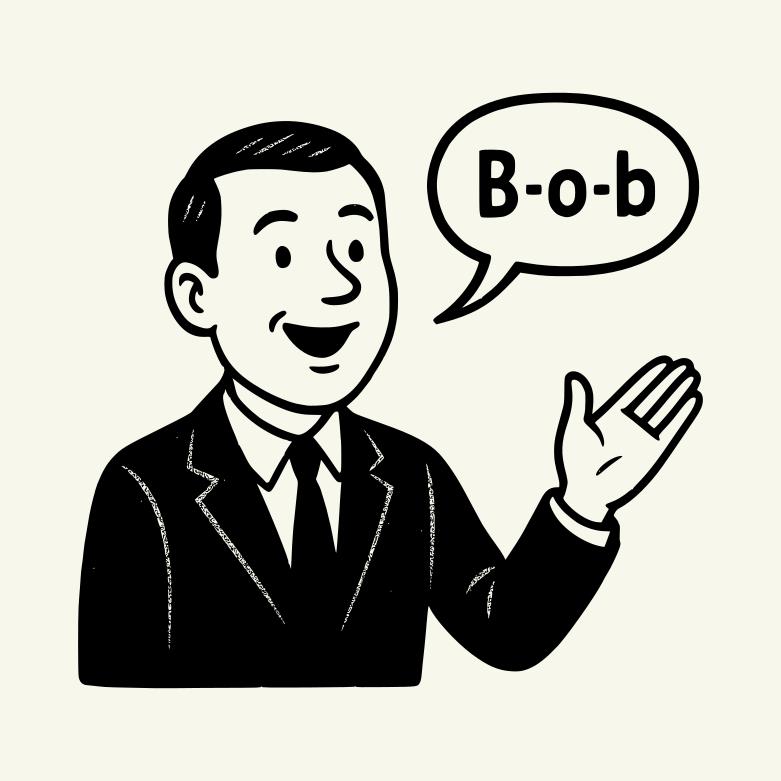 |
| どうやって | |
| どうやって | |
| Question 🔊 | Model answer 🔊 |
|
表示 ▶
漢: どうやってお名前を書きますか? 漢: B-o-b。 |
|
| 020 | 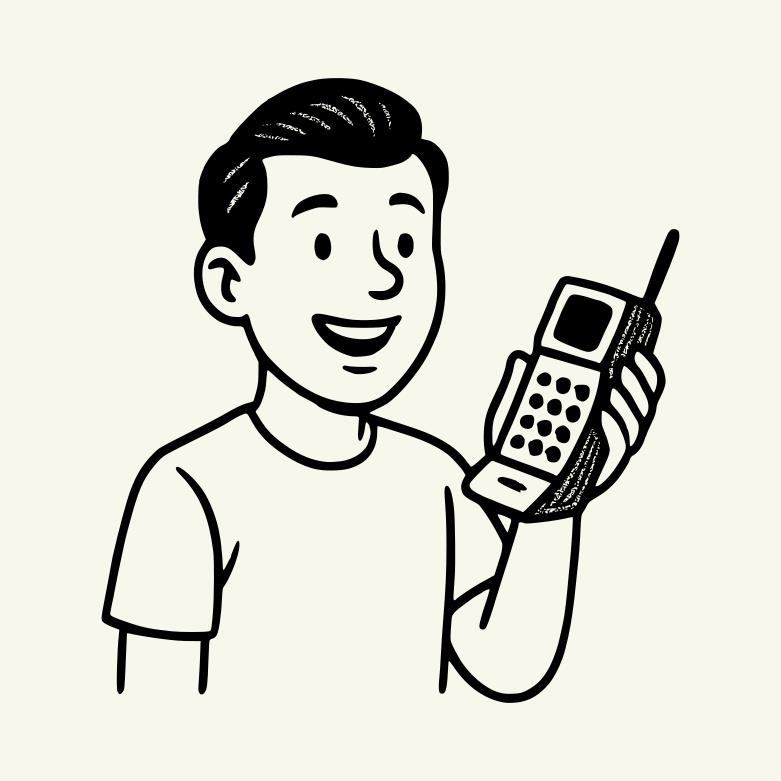 |
| 何 | |
| なん | |
| Question 🔊 | Model answer 🔊 |
|
表示 ▶
漢: あなたの電話番号は何ですか? 漢: 私の電話番号は356-829です。 |
|
| Activity | Guess the question – part 1 |
| ① | Your teacher will say their own answers. Try to guess the questions. |
| ② | How many can you guess correctly in 30 seconds? |
| 011 | |
| ~ています | |
| ~て います |
| 012 | |
| 話せます | |
| はなせます |
| 013 | |
| どこ | |
| どこ |
| 014 | |
| できます | |
| できます |
| 015 | |
| 話せます | |
| はなせます |
| 016 | |
| どこ | |
| どこ |
| 017 | |
| 好き | |
| すき |
| 018 | |
| できます | |
| できます |
| 019 | |
| どうやって | |
| どうやって |
| 020 | |
| 何 | |
| なん |
|
Timer
30
|
|
Counter
0
|
| Activity | Guess the question – part 2 |
| ① | Now say your own answers. Your teacher will try to guess the questions. |
| ② | How many can you guess correctly in 30 seconds? |
| Listen In | Listen to the dialogue and answer the following questions. |
| ① | Where does this person live? |
| ② | Can this person play the piano or the violin? |
| ③ | What’s this person’s phone number? |
| Fill In ① | Use hiragana to fill in the missing words in the questions and your own answers. |
| Q011 | お-なか が [ ] います か? |
| A011 | [ ]。すいて [ ]。 |
| Q012 | えいご [ ] はなせます か? |
| A012 | [ ]。えいご が [ ]。 |
| Q013 | どこ に [ ] か? |
| A013 | [ ] に すんで います。 |
| Q014 | [ ] を [ ] こと が できます か? |
| A014 | [ ]。ぴあの を ひく [ ] が [ ]。 |
| Q015 | [ ] が はなせます か? |
| A015 | [ ]。にほん-ご が [ ]。 |
| Q016 | どこ [ ] [ ] か? |
| A016 | [ ] の [ ] から きました。 |
| Q017 | あくしょん えいが が [ ] です [ ]? |
| A017 | [ ]。あくしょん [ ] が すき [ ]。 |
| Q018 | ばいおりん [ ] ひく こと [ ] できます か? |
| A018 | [ ]。ばいおりん を ひく こと が [ ]。 |
| Q019 | どうやって お-なまえ [ ] かきます [ ]? |
| A019 | [ ]。 |
| Q020 | あなた [ ] でんわ-ばんごう は [ ] です か? |
| A020 | わたし の [ ] は [ ] です。 |
| Fill In ② | Now do the same using kanji, etc. |
| Q011 | お腹が[ ]いますか? |
| A011 | [ ]。空いて[ ]。 |
| Q012 | 英語[ ]話せますか? |
| A012 | [ ]。英語が[ ]。 |
| Q013 | どこに[ ]か? |
| A013 | [ ]に住んでいます。 |
| Q014 | [ ]を[ ]ことができますか? |
| A014 | [ ]。ピアノを弾く[ ]が[ ]。 |
| Q015 | [ ]が話せますか? |
| A015 | [ ]。日本語が[ ]。 |
| Q016 | どこ[ ] [ ]か? |
| A016 | [ ]の[ ]から来ました。 |
| Q017 | アクション映画が[ ]です[ ]? |
| A017 | [ ]。アクション[ ]が好き[ ]。 |
| Q018 | バイオリン[ ]弾くこと[ ]できますか? |
| A018 | [ ]。バイオリンを弾くことが[ ]。 |
| Q019 | どうやってお名前[ ]書きます[ ]? |
| A019 | [ ]。 |
| Q020 | あなた[ ]電話番号は[ ]ですか? |
| A020 | 私の[ ]は[ ]です。 |
| Zoom In | Substitute the words and talk about these topics. |
| Topic 1 | 楽器・がっき・ga·kki = Musical Instruments |
| 014 | |
| できます | |
| できます | |
| Question 🔊 | Model answer 🔊 |
| Question pattern |
| ピアノ を弾くことができますか? |
| ぴあの を ひく こと が できます か? |
| Answer pattern 1 |
| はい。ピアノ を弾くことができます。 |
| はい。ぴあの を ひく こと が できます。 |
| Answer pattern 2 |
| いいえ。ピアノ を弾くことができません。 |
| いいえ。ぴあの を ひく こと が できません。 |
| Variant |
| はい。ピアノ を弾くことが少しできます。” |
| はい。ぴあの を ひく こと が すこし できます。 |
| Vocabulary | ||
| 1 | ピアノ・ぴあの = piano | 挿入 |
| 2 | バイオリン・ばいおりん = violin | 挿入 |
| 3 | ギター・ぎたー = guitar | 挿入 |
| 4 | ドラム・どらむ = drum(s) | 挿入 |
| 5 | 笛・ふえ = flute | 挿入 |
| 6 | ウクレレ・うくれれ = ukulele | 挿入 |
| 7 | 琴・こと = koto | 挿入 |
| 8 | 三味線・しゃみせん = shamisen | 挿入 |
| 9 | リコーダー・りこーだー = recorder | 挿入 |
| 10 | サックス・さっくす = saxophone | 挿入 |
|
Timer
|
30
|
|
|
Counter
|
0
|
| Notes | There are several ways to say “can/be able to do something” in Japanese.
One way is to say: ~ことができます・~ko·to ga de·ki·ma·su. To use this pattern, we need to know the dictionary or plain form of the verb. Here are the ~ます・~ma·su and dictionary forms of some common verbs. To say one can or cannot do these actions, we can use the following patterns. |
| Topic 2 | 言語・げんご・ge·n·go = Languages |
| 012 | |
| 話せます | |
| はなせます | |
| Question 🔊 | Model answer 🔊 |
| Question pattern |
| 英語 が話せますか? |
| えいご が はなせます か? |
| Answer pattern 1 |
| はい。英語 が話せます。 |
| はい。えいご が はなせます。 |
| Answer pattern 2 |
| いいえ。英語 が話せません。 |
| いいえ。えいご が はなせません。 |
| Variant |
| いいえ。英語 が全くは話せません。 |
| いいえ。えいご が まったく はなせません。 |
| Vocabulary | ||
| 1 | 英語・えいご = English | 挿入 |
| 2 | 日本語・にほんご = Japanese | 挿入 |
| 3 | フランス語・ふらんすご = French | 挿入 |
| 4 | 中国語・ちゅうごくご = Chinese | 挿入 |
| 5 | スペイン語・すぺいんご = Spanish | 挿入 |
| 6 | ドイツ語・どいつご = German | 挿入 |
| 7 | 韓国語・かんこくご = Korean | 挿入 |
| 8 | イタリア語・いたりあご = Italian | 挿入 |
| 9 | アラビア語・あらびあご = Arabic | 挿入 |
| 10 | ポルトガル語・ぽるとがるご = Portuguese | 挿入 |
|
Timer
|
30
|
|
|
Counter
|
0
|
| Notes | Another way to say “can/be able to do something” in Japanese is to use what is known as the “potential” form of verbs.
To make the potential form of a verb, we change the syllable before ます・ma·su in the ~ます・~ma·su form of the verb. Here are some examples. The way that this syllable changes depends on the kind of verb. There are also a few irregular verbs, including します・shi·ma·su (= do) and 来(き)ます・ki·ma·su (= come): |
| Talk More Technique | ② Clarifying |
| すみません? | 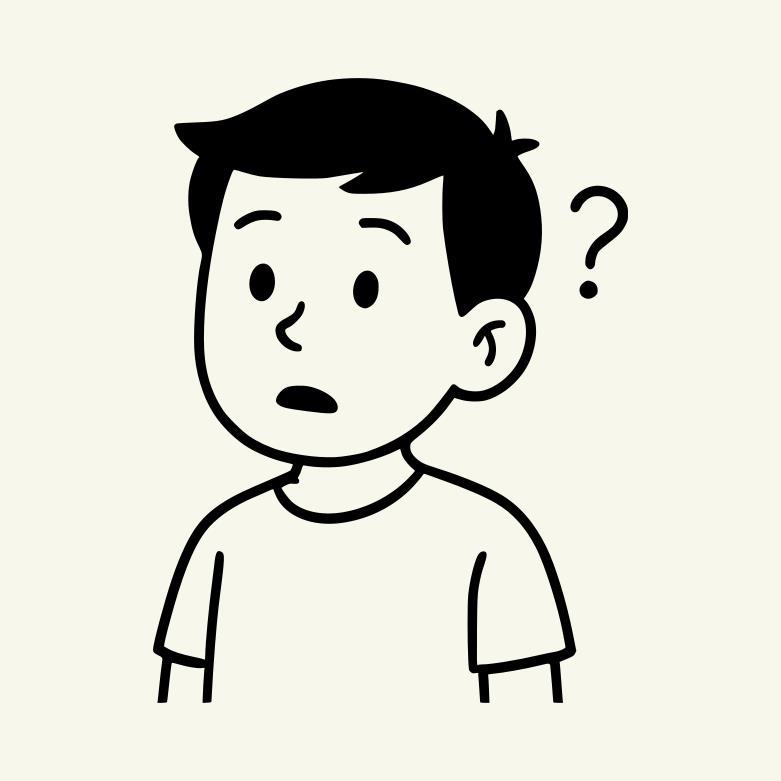 |
| すみません? | |
| 🔊 | |
| Pardon? |
| 何? | 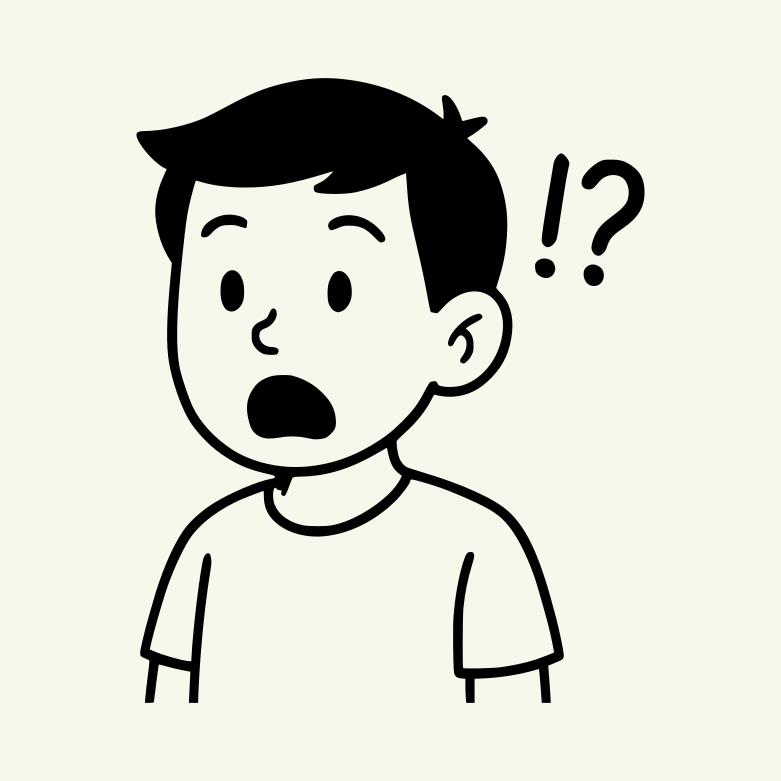 |
| なに? | |
| 🔊 | |
| What? |
| Sample Dialog | |||
| A: | 初めまして。私の名前はケンです。お名前は何ですか? | A: | はじめまして。わたし の なまえ は けん です。お-なまえ は なん です か? |
| B: | ジョナサンです。 | B: | じょなさん です。 |
| A: | どうやってお名前を書きますか? | A: | どうやって お-なまえ を かきます か? |
| B: | J-o-n-a-… | B: | J-o-n-a-… |
| A: | すみません? | A: | すみません? |
| Talk Longer | Use the questions in this unit, the patterns in the Zoom In section, and the Talk More Technique to have a longer conversation with your teacher. |
| ~ています | |
| ~て います |
| 話せます | |
| はなせます |
| どこ | |
| どこ |
| できます | |
| できます |
| 話せます | |
| はなせます |
| どこ | |
| どこ |
| 好き | |
| すき |
| できます | |
| できます |
| どうやって | |
| どうやって |
| 何 | |
| なん |
| すみません? | |
| すみません? |
| 何? | |
| なに? |
|
Timer
|
2:00
|
|
|
|
| Write Up | Use the questions and answer patterns in this unit to write about your teacher. |
| ① | Make notes of your teacher’s answers to the questions in this unit. |
| ② | Then, try to write the full sentences using kanji, etc. |
| Subject | he ~ : | 彼は~・かれ は~・ka·re wa ~ | ||
| she ~ : | 彼女は~・かのじょ は~・ka·no·jo wa ~ | |||
| Possessive adjective | his ~ : | 彼の~・かれ の~・ka·re no ~ | ||
| her ~ : | 彼女の~・かのじょ の~・ka·no·jo no ~ |
| Q011 | |
| Notes: | [ ] お-なか が すいて [ ]。 |
| In kanji, etc: | |
| Q012 | |
| Notes: | [ ] えいご が [ ]。 |
| In kanji, etc: | |
| Q013 | |
| Notes: | [ ] [ ] に すんで います。 |
| In kanji, etc: | |
| Q014 | |
| Notes: | [ ] ぴあの を ひく こと が [ ]。 |
| In kanji, etc: | |
| Q015 | |
| Notes: | [ ] にほん-ご が [ ]。 |
| In kanji, etc: | |
| Q016 | |
| Notes: | [ ] [ ] から きました。 |
| In kanji, etc: | |
| Q017 | |
| Notes: | [ ] あくしょん えいが が すき [ ]。 |
| In kanji, etc: | |
| Q018 | |
| Notes: | [ ] ばいおりん を ひく こと が [ ]。 |
| In kanji, etc: |