| Get Ready! | Listen to the Japanese repeatedly and practice until you can say it smoothly. |
| ① | Repeat each question and answer three times. |
| ② | Your teacher will ask you the questions. Give your own answers. |
| ③ | Ask your teacher the questions and listen to their answers. |
| Pay special attention to the keywords. |
| 091 | 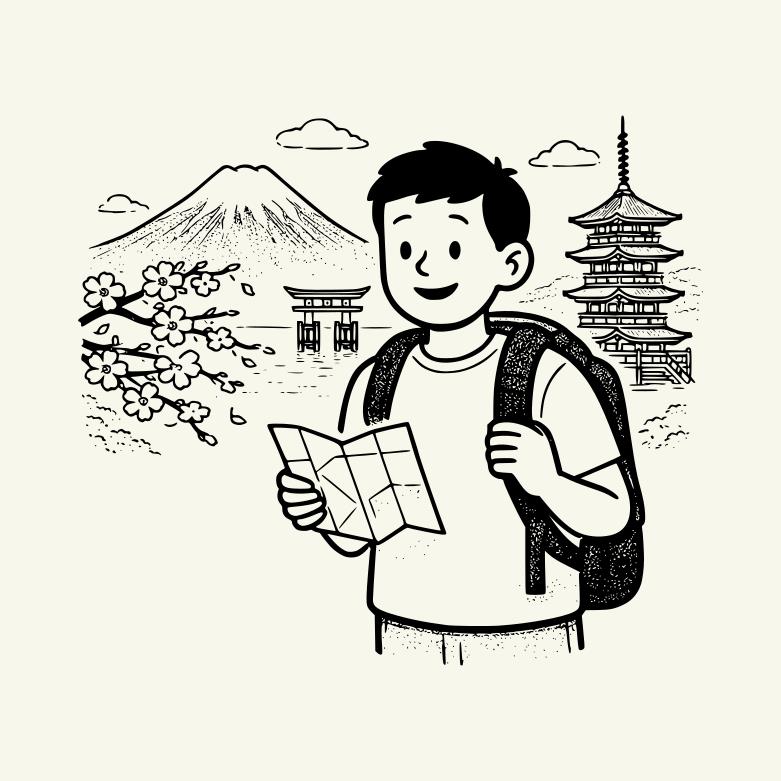 |
| こと が あります | |
| ko·to ga a·ri·ma·su | |
| Question 🔊 | Model answer 🔊 |
|
表示 ▶
漢: 日本へ行ったことがありますか? 漢: はい。日本へ行ったことがあります。 |
|
| 092 | 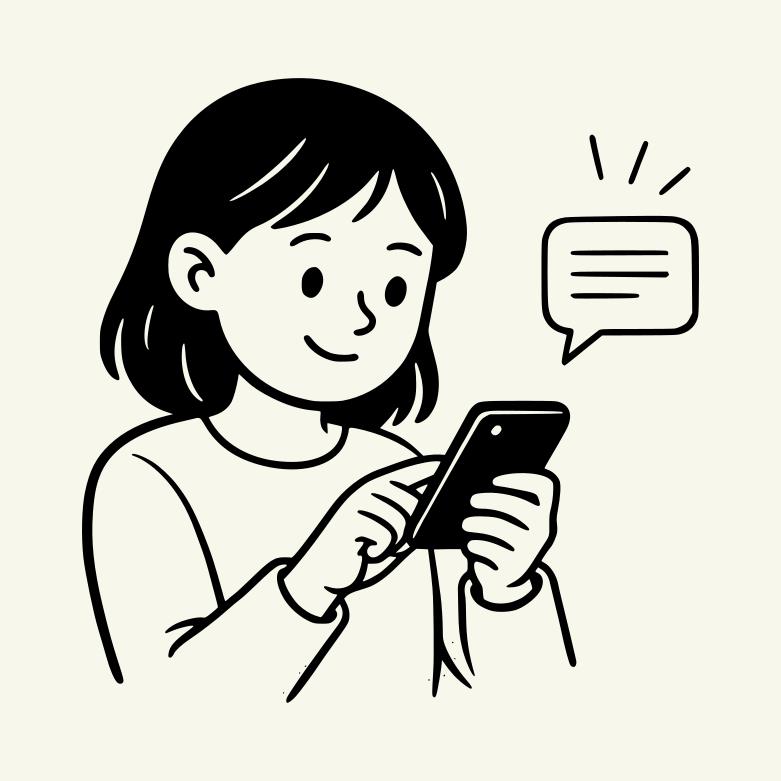 |
| ~て います | |
| ~te i·ma·su | |
| Question 🔊 | Model answer 🔊 |
|
表示 ▶
漢: 今、何をしていますか? 漢: 友達のメッセージに返事をしています。 |
|
| 093 | 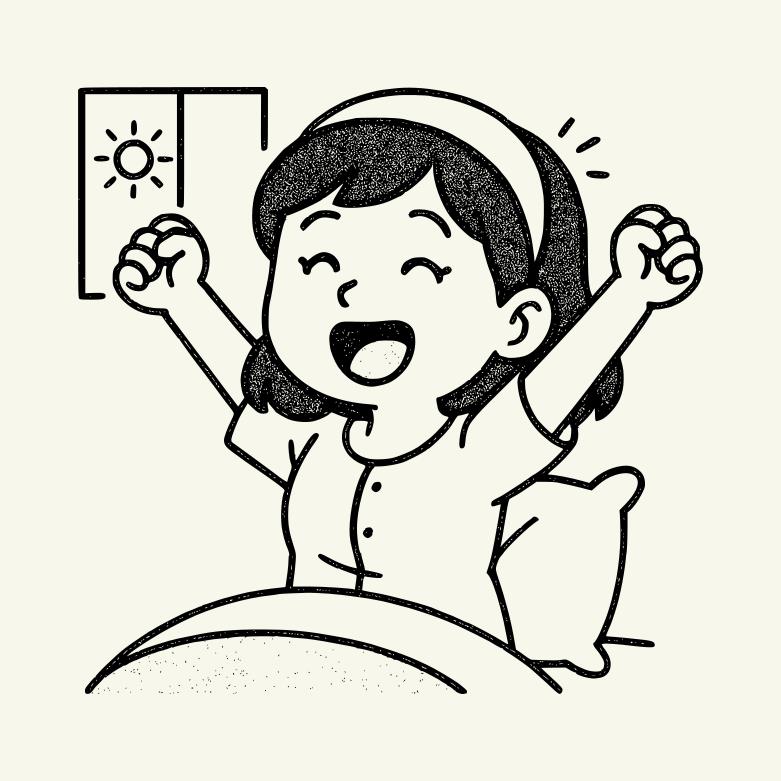 |
| ~ました | |
| ~ma·shi·ta | |
| Question 🔊 | Model answer 🔊 |
|
表示 ▶
漢: 今朝、何時に起きましたか? 漢: 6時に起きました。 |
|
| 094 | 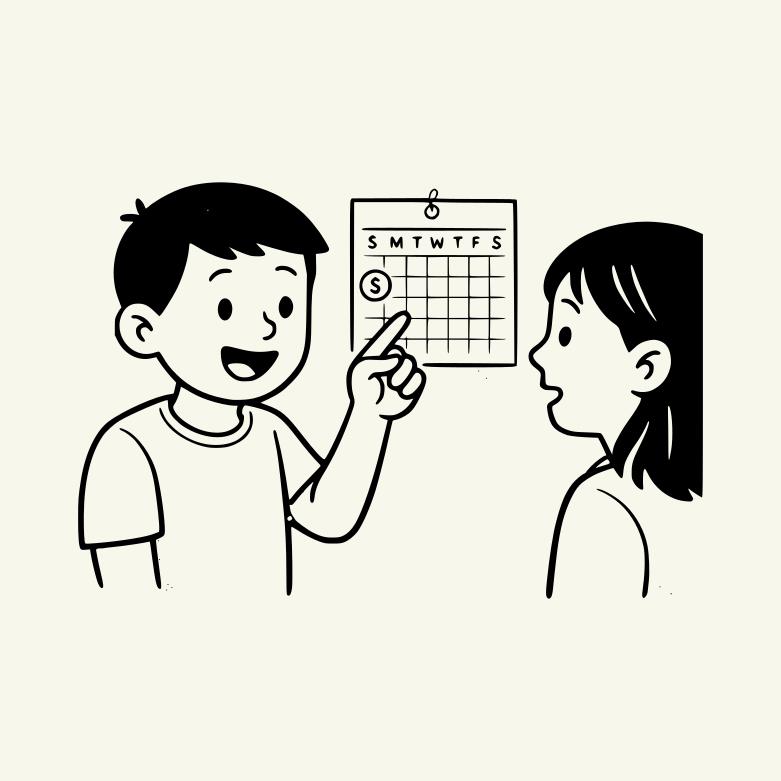 |
| ~ました | |
| ~ma·shi·ta | |
| Question 🔊 | Model answer 🔊 |
|
表示 ▶
漢: 先週の日曜日、何をしましたか? 漢: 先週の日曜日、家で日本語を勉強しました。 |
|
| 095 |  |
| こと が あります | |
| ko·to ga a·ri·ma·su | |
| Question 🔊 | Model answer 🔊 |
|
表示 ▶
漢: ハワイに行ったことがありますか? 漢: いいえ。ハワイに行ったことがありません。 |
|
| 096 | 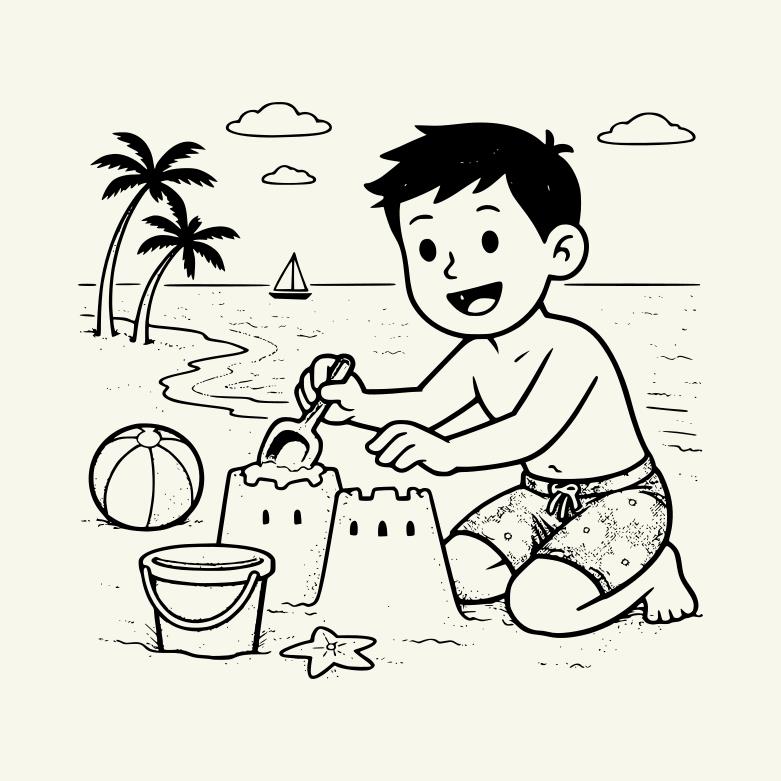 |
| どこ | |
| do·ko | |
| Question 🔊 | Model answer 🔊 |
|
表示 ▶
漢: 夏の間に、どこに行きましたか? 漢: ビーチに行きました。 |
|
| 097 | 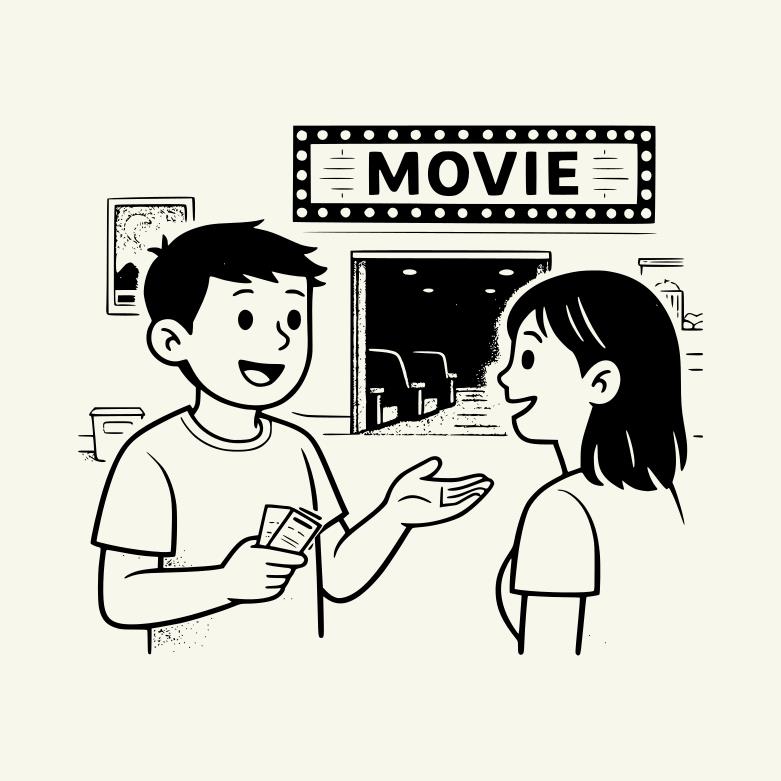 |
| ~ません | |
| ~ma·se·n | |
| Question 🔊 | Model answer 🔊 |
|
表示 ▶
漢: 一緒に映画を見に行きませんか? 漢: ごめんなさい。忙しいです。 |
|
| 098 | 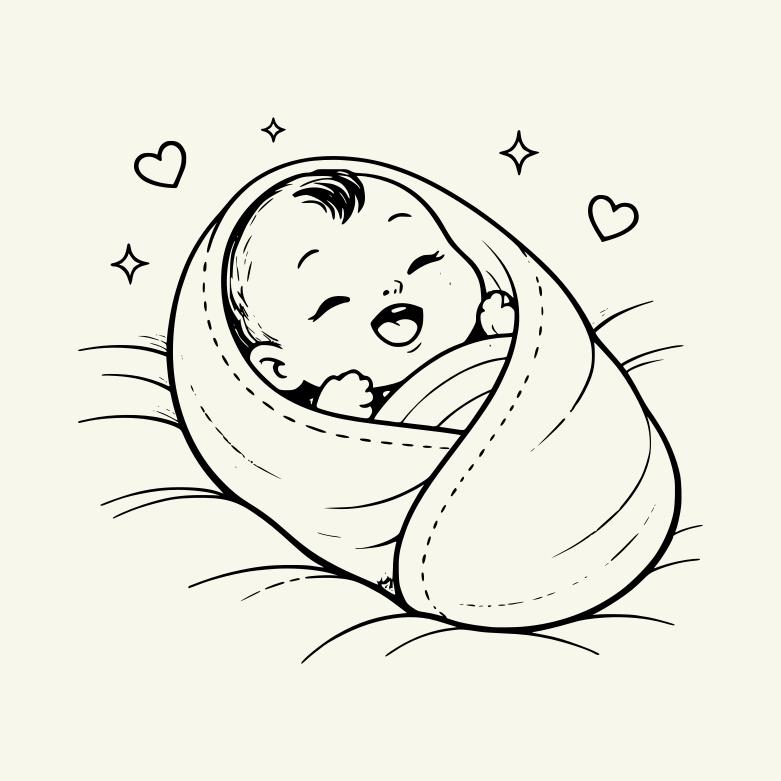 |
| いつ | |
| i·tsu | |
| Question 🔊 | Model answer 🔊 |
|
表示 ▶
漢: いつ生まれましたか? 漢: 1983年に生まれました。 |
|
| 099 |  |
| ~ の ほう | |
| ~ no hō | |
| Question 🔊 | Model answer 🔊 |
|
表示 ▶
漢: あなたの方がお母さんより背が高いですか? 漢: はい。私の方がお母さんより背が高いです。 |
|
| 100 |  |
| どちら | |
| do·chi·ra | |
| Question 🔊 | Model answer 🔊 |
|
表示 ▶
漢: あなたの足と私の足と、どちらが大きいですか? 漢: 私の足の方があなたのより大きいです。 |
|
| Activity | Guess the question – part 1 |
| ① | Your teacher will say their own answers. Try to guess the questions. |
| ② | How many can you guess correctly in 30 seconds? |
| 091 | |
| こと が あります | |
| ko·to ga a·ri·ma·su |
| 092 | |
| ~て います | |
| ~te i·ma·su |
| 093 | |
| ~ました | |
| ~ma·shi·ta |
| 094 | |
| ~ました | |
| ~ma·shi·ta |
| 095 | |
| こと が あります | |
| ko·to ga a·ri·ma·su |
| 096 | |
| どこ | |
| do·ko |
| 097 | |
| ~ません | |
| ~ma·se·n |
| 098 | |
| いつ | |
| i·tsu |
| 099 | |
| ~ の ほう | |
| ~ no hō |
| 100 | |
| どちら | |
| do·chi·ra |
|
Timer
30
|
|
Counter
0
|
| Activity | Guess the question – part 2 |
| ① | Now say your own answers. Your teacher will try to guess the questions. |
| ② | How many can you guess correctly in 30 seconds? |
| Listen In | Listen to the dialogue and answer the following questions. |
| ① | Has this person been to Hokkaido? |
| ② | Where did this person go last Sunday? |
| ③ | Is this person taller than his sister? |
| Fill In ① | Use rōmaji to fill in the missing words in the questions and your own answers. |
| Q091 | [ ] e [ ] ko·to [ ] a·ri·ma·su·ka? |
| A091 | [ ]。ni·ho·n [ ] i·tta ko·to ga [ ]。 |
| Q092 | i·ma、[ ] wo [ ] i·ma·su ka? |
| A092 | [ ] i·ma·su。 |
| Q093 | ke·sa、na·n·ji [ ] [ ] ka? |
| A093 | [ ] ni o·ki·ma·shi·ta。 |
| Q094 | [ ] no [ ]、na·ni [ ] shi·ma·shi·ta [ ]? |
| A094 | se·n·shū no ni·chi·yō·bi、[ ]。 |
| Q095 | ha·wa·i ni [ ] [ ] ga a·ri·ma·su ka? |
| A095 | [ ]。ha·wa·i ni i·tta ko·to ga [ ]。 |
| Q096 | na·tsu no [ ]、do·ko ni [ ] ka? |
| A096 | [ ]。 |
| Q097 | [ ] e·i·ga wo mi ni [ ] ka? |
| A097 | [ ]。 |
| Q098 | i·tsu [ ] ka? |
| A098 | [ ] ni u·ma·re·ma·shi·ta。 |
| Q099 | a·na·ta no [ ] ga o·kā·sa·n yo·ri [ ] de·su ka? |
| A099 | [ ]。[ ] no hō ga [ ] yo·ri se ga ta·ka·i de·su。 |
| Q100 | a·na·ta no a·shi [ ] wa·ta·shi no a·shi [ ]、 [ ] ga [ ] de·su ka? |
| A100 | [ ] no a·shi no hō ga [ ] no yo·ri ō·ki·i de·su。 |
| Fill In ② | Now do the same using hiragana. |
| Q091 | [ ] へ [ ] こと [ ] ありますか? |
| A091 | [ ]。にほん [ ] いった こと が [ ]。 |
| Q092 | いま、[ ] を [ ] います か? |
| A092 | [ ] います。 |
| Q093 | けさ、なんじ [ ] [ ] か? |
| A093 | [ ] に おきました。 |
| Q094 | [ ] の [ ]、なに [ ] しました [ ]? |
| A094 | せんしゅう の にちようび、[ ]。 |
| Q095 | はわい に [ ] [ ] が あります か? |
| A095 | [ ]。はわい に いった こと が [ ]。 |
| Q096 | なつ の [ ]、どこ に [ ] か? |
| A096 | [ ]。 |
| Q097 | [ ] えいが を み に [ ] か? |
| A097 | [ ]。 |
| Q098 | いつ [ ] か? |
| A098 | [ ] に うまれました。 |
| Q099 | あなた の [ ] が おかあさん より [ ]X です か? |
| A099 | [ ]。[ ] の ほう が [ ] より せ が たかい です。 |
| Q100 | あなた の あし [ ] わたし の あし [ ]、 [ ] が [ ] です か? |
| A100 | [ ] の あし の ほう が [ ] の より おおきい です。 |
| Zoom In | Substitute the words and talk about these topics. |
| Topic 1 | 経験・けいけん・ke·i·ke·n = Experiences |
| 091 | |
| こと が あります | |
| ko·to ga a·ri·ma·su | |
| Question 🔊 | Model answer 🔊 |
| Question pattern |
| にほん へ いった こと が あります か? |
| ni·ho·n e i·tta ko·to ga a·ri·ma·su ka? |
| Answer pattern 1 |
| はい。にほん へ いった こと が あります。 |
| ha·i。ni·ho·n e i·tta ko·to ga a·ri·ma·su。 |
| Answer pattern 2 |
| いいえ。にほん へ いった こと が ありません。 |
| i·i·e。ni·ho·n e i·tta ko·to ga a·ri·ma·se·n。 |
| Variant |
| はい。???-かい あります。 |
| ha·i。???-ka·i a·ri·ma·su。 |
| Vocabulary | ||
| 1 | にほん へ いった・ni·ho·n e i·tta = been to Japan | 挿入 |
| 2 | はわい に いった・ha·wa·i ni i·tta = been to Hawaii | 挿入 |
| 3 | お-ばけ を みた・o-ba·ke wo mi·ta = seen a ghost | 挿入 |
| 4 | ふね に のった・fu·ne ni no·tta = been on a boat | 挿入 |
| 5 | ごるふ を した・go·ru·fu wo shi·ta = played golf | 挿入 |
| 6 | すし を たべた・su·shi wo ta·be·ta = eaten sushi | 挿入 |
| 7 | 「しち-にん の さむらい」 を みた・「shi·chi-ni·n no sa·mu·ra·i」 wo mi·ta = watched “The Seven Samurai” | 挿入 |
| 8 | にほん-じん と はなした・ni·ho·n-ji·n to ha·na·shi·ta = spoken to a Japanese person | 挿入 |
| 9 | ふで で かいた・fu·de de ka·i·ta = written with a brush | 挿入 |
| 10 | がっこう を さぼった・ga·kkō wo sa·bo·tta = skipped school | 挿入 |
|
Timer
|
30
|
|
|
Counter
|
0
|
| Notes | We can use the structure -た こと が あります・-ta ko·to ga a·ri·ma·su to talk about life experiences in Japanese.
In order to use this structure, the verb which describes the action needs to be in its past plain form. Here are some examples of the past plain form of verbs. 行きます・いきます・i·ki·ma·su (go) → 行った・いった・i·tta (went) This structure is used to describe life experience. 日本へ行ったことがあります。 妹は富士山を登ったことがあります。 日本人と話したことがありますか? To talk about a specific action that happened at a certain time, we use the -ました・-ma·shi·ta form of the verb. 昨日、日本へ行きました。 Also, note the difference between the meaning of -た こと が あります・-ta ko·to ga a·ri·ma·su and that of もう -ました・mō -ma·shi·ta (“already did”). 日本へ行ったことがあります。 もう日本へ行きました。 One way to express the number of times that one has had a particular life experience is to use the counter -度・-ど・-do: Alternatively, we can use the counter -回・-かい・-ka·i: Another common expression used with this structure is 今まで・いま まで・i·ma ma·de = “until now”. |
| Topic 2 | 比較・ひかく・hi·ka·ku = Comparisons |
| 100 | |
| どちら | |
| do·chi·ra | |
| Question 🔊 | Model answer 🔊 |
| Question pattern |
| ??? と ??? と、 どちら が おおきい です か? |
| ??? to ??? to、 do·chi·ra ga ō·ki·i de·su ka? |
| Answer pattern 1 |
| ??? の ほう が ??? より おおきい です。 |
| ??? no hō ga ??? yo·ri ō·ki·i de·su。 |
| Answer pattern 2 |
| どちら も おなじ です。 |
| do·chi·ra mo o·na·ji de·su。 |
| Variant |
| しる もん か? |
| shi·ru mo·n ka? |
| Vocabulary | ||
| 1 | おおきい・ō·ki·i = big | 挿入 |
| 2 | ひろい・hi·ro·i = big (area) | 挿入 |
| 3 | ながい・na·ga·i = long | 挿入 |
| 4 | かわいい・ka·wa·i·i = cute | 挿入 |
| 5 | たかい・ta·ka·i = expensive | 挿入 |
| 6 | あつい・a·tsu·i = hot | 挿入 |
| 7 | たのしい・ta·no·shi·i = enjoyable | 挿入 |
| 8 | あんぜん・a·n·ze·n = safe | 挿入 |
| 9 | きれい・ki·re·i = beautiful/clean | 挿入 |
| 10 | けんこうてき・ke·n·kō·te·ki = healthy | 挿入 |
|
Timer
|
30
|
|
|
Counter
|
0
|
| Notes | There are a selection of structures that we can use to compare items in Japanese. That is, to say that one item is bigger, better, etc. than another.
AとBと、どちらが~ですか? 犬と猫と、どちらが大きいですか? 日本語と中国語と、どちらが難しいですか? コーヒーと紅茶と、どちらが好きですか? We can omit quite a bit of information from the responses to such questions. 犬の方が猫より大きいです。 We can adapt the full answer pattern to make comparative questions of the form: 電車の方がバスより早いですか? Note that どちら・do·chi·ra implies a choice between two items. If there are more than two, どれ・do·re should be used instead. 猫と犬と兎と、どれが可愛いですか? We can also use もっと・mo·tto with an adjective to mean “more ~”. In this case, we don’t mention both items: one of them is understood from the context. もっと静かな場所に住みたいです。 もっと安いのはありませんか? Finally, we can say that two items are the same or about the same using the following expressions. 同じです。 同じくらいです。 |
| Talk More Technique | ⑩ Changing topic |
| ちなみ に |  |
| chi·na·mi ni | |
| 🔊 | |
| By the way… |
| そう いえば |  |
| sō i·e·ba | |
| 🔊 | |
| That reminds me… |
| Sample Dialog | |||
| A: | あした、わたし は にほん へ いきます。にしゅうかん の りょこう です。 | A: | a·shi·ta、wa·ta·shi wa ni·ho·n he i·ki·ma·su。ni·shū·ka·n no ryo·kō de·su。 |
| B: | そう か。ちなみ に、だれ が あなた の ねこ の めんどう を みます か? | B: | sō ka。chi·na·mi ni、da·re ga a·na·ta no ne·ko no me·n·dō wo mi·ma·su ka? |
| A: | そう いえば、わたし の ねこ の めんどう を みて くれます か? | A: | sō i·e·ba、wa·ta·shi no ne·ko no me·n·dō wo mi·te ku·re·ma·su ka? |
| B: | まぁ、いい です よ。 | B: | mā、i·i de·su yo。 |
| Talk Longer | Use the questions in this unit, the patterns in the Zoom In section, and the Talk More Technique to have a longer conversation with your teacher. |
| こと が あります | |
| ko·to ga a·ri·ma·su |
| ~て います | |
| ~te i·ma·su |
| ~ました | |
| ~ma·shi·ta |
| ~ました | |
| ~ma·shi·ta |
| こと が あります | |
| ko·to ga a·ri·ma·su |
| どこ | |
| do·ko |
| ~ません | |
| ~ma·se·n |
| いつ | |
| i·tsu |
| ~ の ほう | |
| ~ no hō |
| どちら | |
| do·chi·ra |
| ちなみ に | |
| chi·na·mi ni |
| そう いえば | |
| sō i·e·ba |
|
Timer
|
2:00
|
|
|
|
| Write Up | Use the questions and answer patterns in this unit to write about your teacher. |
| ① | Make notes of your teacher’s answers to the questions in this unit. |
| ② | Then, try to write the full sentences using hiragana. |
| Subject | he ~ : | 彼は~・かれ は~・ka·re wa ~ | ||
| she ~ : | 彼女は~・かのじょ は~・ka·no·jo wa ~ | |||
| Possessive adjective | his ~ : | 彼の~・かれ の~・ka·re no ~ | ||
| her ~ : | 彼女の~・かのじょ の~・ka·no·jo no ~ |
| Q091 | |
| Notes: | [ ] ni·ho·n e i·tta ko·to ga [ ]。 |
| In hiragana: | |
| Q093 | |
| Notes: | [ ] ke·sa [ ]-ji ni o·ki·ma·shi·ta。 |
| In hiragana: | |
| Q094 | |
| Notes: | se·n·shū no ni·chi·yō·bi、[ ] [ ]。 |
| In hiragana: | |
| Q095 | |
| Notes: | [ ] ha·wa·i ni i·tta ko·to ga [ ]。 |
| In hiragana: | |
| Q096 | |
| Notes: | na·tsu no a·i·da ni、[ ] [ ] ni i·ki·ma·shi·ta。 |
| In hiragana: | |
| Q098 | |
| Notes: | [ ] [ ]-ne·n ni u·ma·re·ma·shi·ta。 |
| In hiragana: | |
| Q099 | |
| Notes: | [ ] hō ga [ ] yo·ri se ga ta·ka·i de·su。 |
| In hiragana: | |
| Q100 | |
| Notes: | [ ] a·shi no hō ga [ ] yo·ri ō·ki·i de·su。 |
| In hiragana: |